

loading
Change Location
Request Free Estimate* in under 2 minutes
Call Now: (214) 983-9461

Turn Unused Yard Space Into Something Better with Landscaping in Little Elm

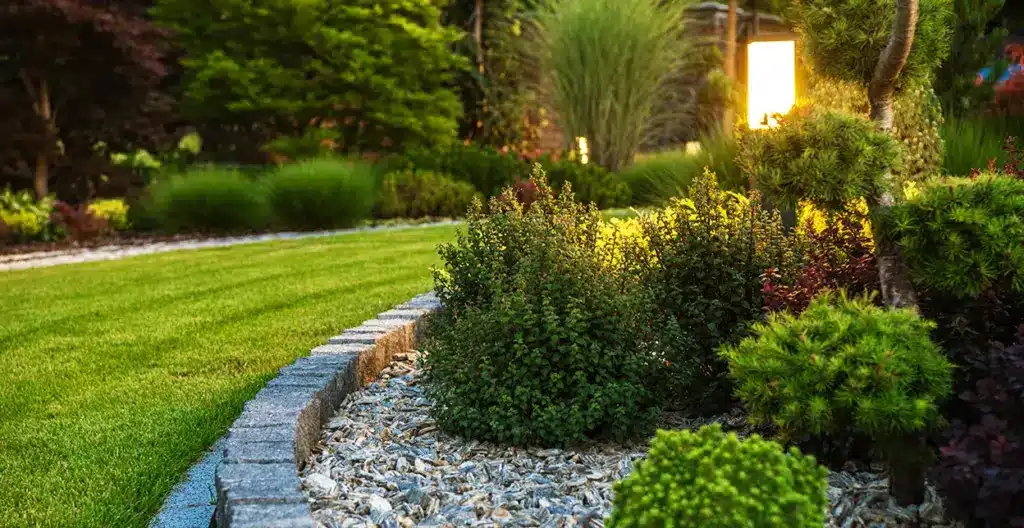
A well-landscaped rock garden bed along the border of a well-maintained lawn, with small shrubs, plants, and decorative lighting.

An unused patch of grass, an awkward side yard, or a forgotten corner behind the house can easily become dead space. Yet these areas often have more potential than homeowners realize. With thoughtful planning, even an overlooked section of a property can become useful, attractive, and easier to maintain. Good landscaping in Little Elm is not simply about adding plants or keeping a lawn neat; it is about deciding how every part of the outdoor space can serve a purpose.

Little Elm homeowners have plenty of opportunities to rethink their yards. A small change in layout, a better choice of plants, or a properly planned lawn area can make a property feel more complete without requiring a total landscape makeover.

Look at the Yard from a Different Perspective

Before changing an outdoor space, it helps to identify why an area is currently being ignored. A narrow strip along the fence may seem too small for anything useful, but it could work as a planting border. A bare section beside the driveway might become a defined walkway. Even a patch that currently struggles with grass may be better suited to another type of landscape treatment.

Rather than asking what can be added, homeowners should first ask what the space is missing. That could mean shade, privacy, easier access, better drainage, or simply a clearer connection between different parts of the property. Once the purpose is understood, design decisions become much easier.

Identify Areas with Untapped Potential

Walk around the property at different times of the day. Sunlight changes considerably from morning to afternoon, and an area that looks unsuitable at one time may have completely different conditions later. Pay attention to:
  • Areas that receive too much direct sun
  • Sections where water collects after rain
  • Narrow spaces that are rarely used
  • Places where existing grass struggles
  • Routes people naturally take through the yard
These observations can reveal opportunities that are easy to miss when looking at the yard as one large space.

Create Outdoor Zones Instead of One Open Lawn

A large uninterrupted lawn can be useful, especially for children and pets, but not every part of a property needs to remain grass. Dividing the yard into different zones can make the space more functional without making it feel smaller. One section could remain open for recreation, while another could contain a seating area or garden. A side yard might become a practical walkway, and a previously unused corner could hold shade-tolerant plants. The key is creating connections between these areas. Pathways, lawn borders, planting beds, and changes in surface material can visually separate spaces while keeping the entire property cohesive.

Let the Lawn Support the Overall Design

The lawn remains an important part of most residential landscapes, but it should work with the rest of the property rather than dominate every available square foot. A healthy lawn provides an open visual area that balances trees, shrubs, hardscape, and garden beds. When the grass is maintained properly, even relatively simple landscaping can look polished. This is where lawn care Little Elm homeowners can rely on becomes important. Regular mowing, appropriate watering, weed management, and seasonal attention help turf remain strong enough to support the wider landscape.

Give Grass the Right Conditions

Grass can struggle when it is planted where sunlight, drainage, or soil conditions are unsuitable. Instead of repeatedly trying to repair the same weak section, homeowners should consider whether the location is actually appropriate for turf. Sometimes the better solution is to reduce the lawn area and introduce plants, mulch, stone, or another practical surface. This can improve the appearance while reducing the amount of maintenance required.

Use Sod When You Need a Fresh Starting Point

Some yards have areas that are too damaged or uneven to recover easily through routine maintenance. In these situations, sod installation can provide a practical way to establish fresh turf. Sod creates an immediate visual improvement, but the installation process still needs careful preparation. The existing surface should be cleared, the soil should be properly prepared, and grading should be addressed before the new turf is placed.

After installation, watering becomes especially important. The new grass needs consistent moisture while roots begin to establish themselves in the soil. Homeowners should also avoid treating newly installed sod like an established lawn by putting heavy traffic on it too soon. Sod is most effective when it becomes part of a broader lawn plan rather than simply being used to cover every bare patch.

Make Narrow Spaces Useful

Side yards are often among the most neglected parts of a property. They may be too narrow for traditional lawn use but still provide valuable access between the front and back of the home. A narrow area can be transformed into a functional passage with a defined surface and carefully selected plants. In some properties, it can also provide space for screening plants that create more privacy between neighboring homes. The design should remain simple. Overfilling a narrow space with large plants can make it feel cramped and create future maintenance problems.

Turn Awkward Corners Into Features

Corners can be particularly challenging because they often have unusual sunlight or limited access. However, these areas can become visual focal points when handled carefully. A small tree, decorative planting bed, seating nook, or combination of low-maintenance plants can give an empty corner a clear identity. The feature does not have to be elaborate; it simply needs to feel intentional.

Choose Plants for the Conditions, Not Just the Look

A common landscaping mistake is choosing plants because they look attractive at the nursery without considering how they will perform at home. Every part of a yard has its own conditions. Some locations are exposed to strong sunlight, while others receive filtered light. Soil moisture can also vary considerably from one section to another. Before planting, homeowners should consider:
  • Mature plant size
  • Sun and shade requirements
  • Water needs
  • Soil conditions
  • Expected maintenance
Plant selection should also account for how the landscape will look throughout the year. A combination of evergreen structure, seasonal color, and varied textures can keep the yard visually interesting even when individual plants are not blooming.

Use Hardscape to Give Empty Areas a Job

Not every unused area needs more greenery. Hardscape can be an excellent solution when homeowners want to create a functional surface that requires less routine care than turf.

A small paved area can become an outdoor sitting space. A walkway can improve movement between different parts of the property. Decorative gravel or stone can also help define an area that would otherwise remain difficult to maintain.

The material should match the property’s existing architecture and be appropriate for the way the space will be used. A high-traffic pathway, for example, needs a different surface strategy than a small decorative garden border.

Think About Water Before Making Major Changes

Drainage should be part of the conversation whenever the shape or surface of a yard is changed. Adding soil, replacing grass, installing hardscape, or changing planting beds can affect how rainwater moves across the property.

An area that regularly stays wet may need grading or another drainage solution before new plants or turf are introduced. Likewise, water should not simply be redirected toward another part of the property where it could create a different problem.

Good planning considers where water comes from, where it currently travels, and where it should safely go.

Make Maintenance Part of the Design

A landscape may look impressive immediately after installation, but the real test comes months later. If every section requires constant pruning, watering, edging, and cleanup, homeowners may eventually stop keeping up with it.

A practical design considers the amount of maintenance the household is willing to handle.

For example, a homeowner who travels frequently may benefit from a simpler planting scheme and a smaller lawn. Someone who enjoys gardening may prefer more planting beds and seasonal variety.

Regular maintenance may include:
  • Mowing and edging lawn areas
  • Pruning overgrown branches
  • Checking irrigation systems
  • Removing weeds and debris
  • Refreshing mulch when needed
For homeowners looking for lawn mowing Little Elm TX, consistent mowing is particularly important during periods of active growth. Cutting too aggressively can stress the turf, while allowing grass to become excessively tall can make routine maintenance more difficult.

Professional Help Can Bring Several Elements Together

Some landscape projects involve several moving parts at once. A homeowner may want to reshape a lawn, add planting beds, improve drainage, install sod, and create a usable outdoor area. Managing all of those elements separately can result in a disconnected design.

Professional assistance can help coordinate the work and make sure individual improvements support one another. The Grounds Guys of Little Elm can be useful for homeowners who need help with lawn and landscape projects that require planning, installation, and ongoing care.

The value of professional input is not necessarily about making a project larger. In many cases, it is about avoiding poor placement, unsuitable plant choices, drainage problems, or maintenance requirements that were not considered at the beginning.

Avoid Filling Every Empty Space

An empty area is not automatically a problem. One of the easiest ways to make a landscape feel crowded is to assume every open section needs something in it. Open lawn can provide breathing room between planting beds. A clear pathway can make a yard feel more organized. Space around mature trees can also help highlight their shape instead of hiding them among smaller plants. The goal should be balance. A successful landscape uses empty space intentionally rather than trying to eliminate it.

Watch Plant Growth Over Time

Young plants can make a landscape appear sparse when they are first installed. This often tempts homeowners to add more plants than necessary. As those plants mature, however, the same area can become overcrowded. Before adding another shrub or tree, consider its mature size and the amount of room it will eventually require. Good spacing protects plant health and reduces future pruning.

Think About How the Yard Will Change

A useful outdoor space should remain practical as the household changes. Children may eventually need less play space, older homeowners may prefer easier pathways, or a previously unused patio area may become more valuable. Landscape design does not have to be permanent in every detail. Flexible spaces can adapt over time without requiring a complete redesign. For example, an open section can initially serve as a play area and later become a seating or garden space. A simple planting border can also be expanded gradually as the homeowner becomes more comfortable with landscape maintenance.

A Better Yard Does Not Always Require a Bigger Budget

Improving a landscape does not necessarily mean replacing everything at once. A phased approach can often produce better results because homeowners have time to see how each change performs before investing in the next one. A sensible order might be:
  • Address drainage or grading problems first.
  • Repair or replace unhealthy lawn areas.
  • Define pathways and functional zones.
  • Add plants and landscape features.
  • Establish a manageable maintenance routine.
This approach helps prioritize work that affects the property’s long-term condition rather than focusing only on cosmetic improvements.

Landscaping in Little Elm Should Reflect the Property

Every yard has a different combination of sunlight, soil, drainage, architecture, and available space. That is why landscaping in Little Elm works best when the design responds to the actual property instead of following a one-size-fits-all formula. A neglected side yard may need a walkway. A bare corner may need shade-friendly planting. A damaged lawn may benefit from sod. Another property may simply need better mowing and maintenance. The strongest results come from matching the solution to the problem.

Conclusion

Unused yard space does not have to remain an overlooked part of the property. With the right planning, an awkward corner can become a garden, a narrow side area can become a useful walkway, and a damaged lawn can be given a fresh start.

The most successful landscapes are not necessarily the most complicated ones. They are the ones that make sensible use of available space while considering maintenance, water, plant growth, and everyday living. For homeowners considering landscaping in Little Elm, starting with what the yard needs rather than simply adding more features can lead to a more attractive and practical result.

A thoughtful landscape gives every important area a reason to exist while still leaving enough open space for the property to breathe. That balance can make a noticeable difference in how a home looks today and how easy it is to enjoy and maintain in the years ahead.

Frequently Asked Questions

  • Start by identifying why the area is unused. From there, decide whether it would be better suited to lawn, planting, seating, a pathway, or another practical feature.

  • Sod can be an effective option when homeowners want to establish fresh turf quickly. Proper ground preparation and post-installation watering are essential for good results.

  • Reducing unnecessary lawn areas and choosing plants suited to the site’s conditions can help. A simpler landscape design can also make mowing, watering, and seasonal cleanup easier.

  • Focus on mature plant size, sunlight, water requirements, and access for maintenance. Avoid placing too many plants close together simply because the area looks empty at first.

  • Absolutely. Side yards can work well as walkways, planting areas, privacy zones, or service spaces when they are designed around their width and access requirements.

  • Professional help can be worthwhile when a project involves grading, drainage, sod, irrigation, large planting areas, or several improvements that need to work together.

Let Us Call You

By checking this box, I agree to opt in to receive automated SMS and/or MMS messages from The Grounds Guys, a Neighborly company, and its franchisees to the provided mobile number(s). Message & data rates may apply. Message frequency varies. View Terms (opens in a new window) and Privacy Policy (opens in a new window). Reply STOP to opt out of future messages. Reply HELP for help.
By entering your email address, you agree to receive emails about services, updates or promotions, and you agree to the Terms (opens in a new window) and Privacy Policy (opens in a new window). You may unsubscribe at any time.

Thank you for contacting us!

The Grounds Guys is part of the Neighborly family of home and commercial service providers.

Searching through dozens of home and commercial service providers is a thing of the past. Rely on Neighborly’s national network of trusted, local service professionals for all your home and commercial service needs.

Let Us Call You

By checking this box, I agree to opt in to receive automated SMS and/or MMS messages from The Grounds Guys, a Neighborly company, and its franchisees to the provided mobile number(s). Message & data rates may apply. Message frequency varies. View Terms (opens in a new window) and Privacy Policy (opens in a new window). Reply STOP to opt out of future messages. Reply HELP for help.
By entering your email address, you agree to receive emails about services, updates or promotions, and you agree to the Terms (opens in a new window) and Privacy Policy (opens in a new window). You may unsubscribe at any time.

Thank you for contacting us!

Blog Categories