


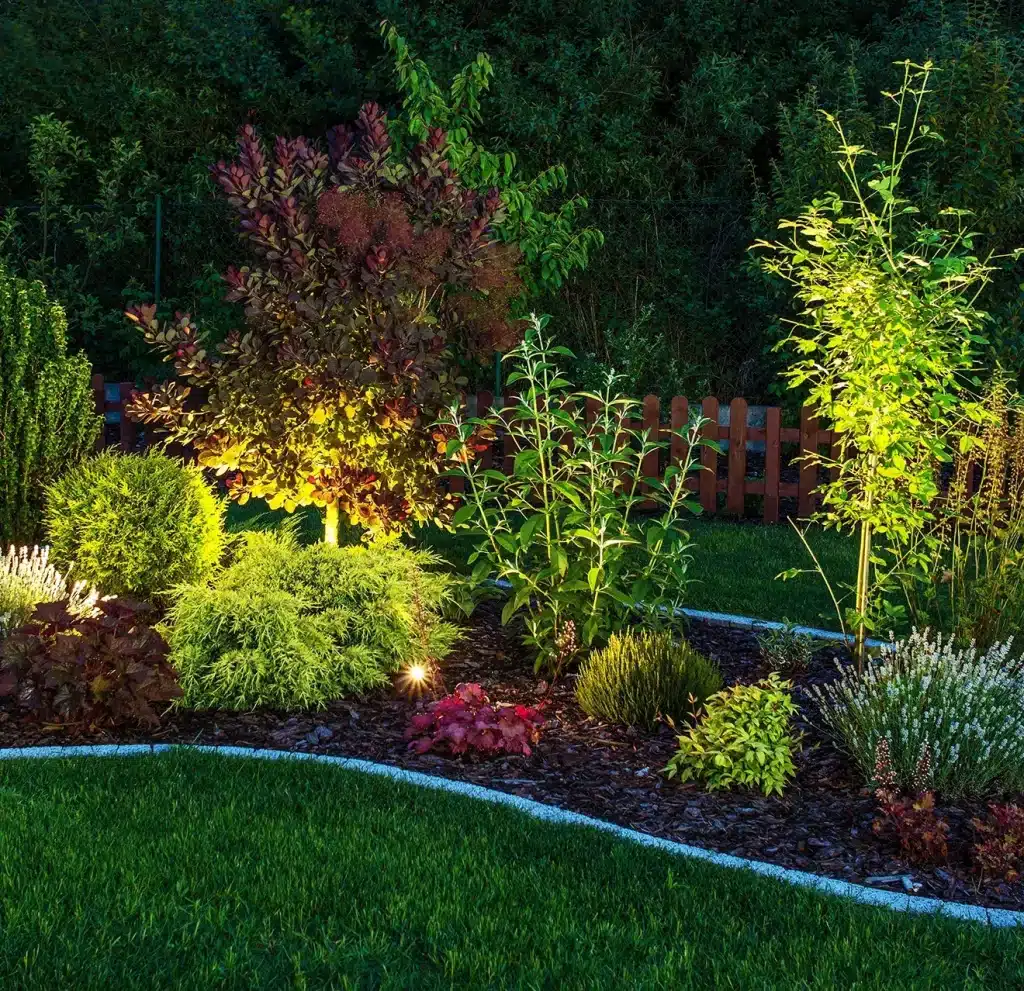
Lawn borders do more than separate one part of a garden from another. They frame the landscape, guide the eye toward important features, and create a visual connection between lawns, paths, patios, and planting areas. When these transitions are clean and consistent, the entire outdoor space can look more organized without requiring an expensive redesign.
A thoughtful approach to Lawn Mowing and Edging helps homeowners maintain these details while supporting the health and usability of their lawns. The goal is not to make every garden look perfectly symmetrical. Instead, it is to establish clear boundaries that suit the property’s layout, make routine maintenance easier, and allow existing landscape features to stand out.
Why Lawn Borders Make Such a Noticeable Difference
Borders also help distinguish areas with different purposes. A lawn provides open space for relaxation or play, whereas a planting bed introduces texture, color, and seasonal interest. A well-defined boundary allows both areas to contribute without one gradually taking over the other.
The visual effect of clean edges
Consider a front garden with a neatly cut lawn, a paved path leading to the entrance, and shrubs planted along the foundation. If grass spreads across the path or grows unevenly around the shrubs, the separate features begin to blend together. The garden may still be healthy, but its overall appearance loses definition.Trimming the grass along those boundaries restores the intended shape of the landscape. Straight edges can reinforce a formal layout, while gentle curves complement a more natural garden design. Consistency matters more than choosing one particular style.
Borders influence how large a garden feels
Clear boundaries can also affect the sense of space. An uninterrupted lawn with well-defined edges may appear broader and more open than one broken up by irregular patches of grass around paving and planting beds.This does not mean every border should be straight. Curved edges can make compact gardens feel softer and help guide movement through the space. The important consideration is whether the shape works with the surrounding features rather than appearing accidental.
Identifying the Lawn Borders That Need the Most Attention
Walking around the garden before starting work can reveal which boundaries have the greatest effect on its appearance. Look at the lawn from the street, the house entrance, the patio, and the main garden seating area. These viewpoints often reveal uneven lines that are less noticeable when standing directly over them.
Driveways and walkways
Grass growing over paving can make a driveway look narrower and reduce the clean contrast between hard surfaces and green space. The problem is especially noticeable where paving meets grass along a long, visible line.Regular maintenance keeps the boundary clear and prevents small areas of encroaching grass from becoming established. Where the edge is already uneven, a careful correction can restore a consistent line without removing more turf than necessary.
Flower beds and shrub borders
Garden beds often have irregular outlines because plants grow at different rates and spread beyond their original positions. Grass may also creep into the soil around the plants, making weeding and maintenance more difficult.A clearly defined bed helps separate lawn care from planting-bed care. The boundary can be maintained with a simple cut edge or supported by a suitable physical border, depending on the garden’s style and maintenance needs.
Trees, fences, and narrow spaces
Grass around tree trunks, fence posts, and the bases of garden walls can be awkward to maintain with a standard mower. These locations may need a different approach because the available space is limited and the surrounding materials can be damaged by careless cutting.Take extra care around tree trunks. Repeated contact from mower blades or string trimmers can damage bark, especially near the base, where injuries may affect the tree’s long-term health. Leave a suitable protective area around the trunk and manage it with an appropriate ground cover or careful hand maintenance.
Choosing a Border Style That Suits Your Garden
Before changing an existing border, consider the shapes already present in the landscape. The outline of a patio, the direction of a pathway, and the placement of mature shrubs can all help determine where the lawn should begin and end.
Natural edges and crisp lines
Natural edges suit gardens where the planting is deliberately relaxed. A gently curved lawn can flow around ornamental grasses, perennial beds, or small trees without creating an overly rigid appearance. These borders still need definition, but slight variations in the line can complement the overall design.Crisp edges work well beside modern paving, straight driveways, and symmetrical planting. They create a deliberate transition between materials and can make a simple garden appear carefully planned. Maintaining these lines requires occasional attention, particularly where grass grows vigorously during warm, wet weather.
Physical edging materials
Some homeowners prefer a physical border that helps separate turf from adjacent surfaces. Materials such as metal, brick, stone, and purpose-made landscape edging can create a durable boundary when installed appropriately.The choice should reflect both appearance and function. Metal edging can provide a discreet line, while brick and stone may become visible design features in their own right. Whatever the material, ensure the installation does not create a tripping hazard, interfere with drainage, or obstruct mower access.
Physical edging can reduce the amount of repeated trimming needed in certain locations, but it does not eliminate maintenance. Grass may still grow over the border, and weeds can establish themselves in gaps if the area is not cared for.
Building a Reliable Routine for Neat Lawn Borders
Consistent lawn mowing and edging also makes it easier to notice changes in the garden. A boundary that suddenly becomes difficult to maintain may indicate spreading plants, uneven ground, damaged edging, or a change in drainage.
Three habits that help maintain a cleaner finish
A practical routine should be easy to repeat and flexible enough to accommodate weather and seasonal growth.- Mow at a suitable height: Avoid cutting grass excessively short simply to make the lawn look freshly maintained. Follow the needs of the grass species and local growing conditions, since overly aggressive cutting can stress turf and expose soil.
- Check borders before mowing: Remove loose branches, stones, toys, and other debris that could interfere with equipment. Identify uneven sections or exposed edging that need extra care.
- Finish with targeted trimming: After mowing, inspect the areas around paths, beds, fences, and trees. Trim only where needed, taking care not to scalp the grass or damage nearby plants.
Avoiding common edging mistakes
One frequent mistake is cutting too deeply into the lawn each time the border is refreshed. This gradually widens the bed or creates an uneven strip of exposed soil. Establishing the intended line before trimming helps prevent the boundary from shifting with every maintenance session.Another mistake is treating every stray blade of grass as a reason for aggressive cutting. Near delicate plants, irrigation equipment, or tree bark, a slower and more careful method is often preferable. The objective is a clear boundary, not the removal of every green shoot at any cost.
It is also worth checking whether the lawn has been cut too short near an edge. Grass beside paving can dry out faster because the adjacent surface absorbs and radiates heat. Maintaining an appropriate cutting height and watering according to actual soil conditions can help protect these vulnerable strips.
Matching Border Maintenance to the Season
In spring, inspect borders for winter damage, displaced edging, compacted soil, and grass that has spread into garden beds. Restore the intended outline gradually instead of cutting deeply into the turf all at once.
During summer, pay attention to dry edges near paved areas. Avoid unnecessary cutting during heat stress, and schedule work for cooler parts of the day when practical. In autumn, fallen leaves and other debris can hide the boundary between lawn and planting beds, so regular clearing helps preserve the garden’s shape.
A simple guide to seasonal priorities
| Season or condition | Main priority | Practical approach |
| Spring growth | Restore clear boundaries | Inspect edging and correct uneven lines carefully |
| Rapid summer growth | Maintain shape without stressing grass | Adjust mowing frequency to growth and avoid excessive cutting |
| Hot, dry weather | Protect vulnerable lawn edges | Reduce unnecessary trimming and monitor soil moisture |
| Autumn leaf fall | Keep borders visible | Clear debris and check for encroaching grass |
| Slower winter growth | Minimize unnecessary disturbance | Inspect equipment and plan repairs when conditions allow |
Making Difficult Borders Easier to Maintain
When planning lawn mowing and edging, consider how easily equipment can reach each section. A narrow gap between a fence and a planting bed may be easier to manage with a suitable hand tool than with a large mower. Similarly, a border around a mature shrub may benefit from a little extra space rather than a tightly fitted edge that requires constant trimming.
Reducing unnecessary maintenance
A well-planned garden can minimize the number of awkward edges that require frequent attention. If a narrow grass strip repeatedly becomes overgrown, consider whether it serves a useful purpose. Replacing it with a suitable planted bed, mulch area, or paved surface may simplify maintenance, provided drainage and plant health are considered.These changes should be made thoughtfully. Paving too close to tree roots can cause problems, while poorly installed edging can redirect water toward buildings. Before altering the ground around established trees or changing the slope of a yard, seek suitable professional advice.
Three practical improvements can make challenging areas easier to manage:
- Simplify awkward corners: Where appropriate, adjust planting beds or lawn outlines to reduce narrow pockets that are difficult to mow.
- Maintain accessible boundaries: Keep edging visible and avoid allowing plants to spread across the route needed for routine lawn care.
- Use suitable tools for detail work: Choose equipment that fits the space and allows controlled cutting near walls, plants, and other obstacles.
Keeping Lawn Borders Attractive Over Time
It is helpful to take occasional photographs from the same viewpoint, particularly in a front garden where the appearance of the property matters. Comparing the images can reveal whether borders are gradually widening, curves are becoming uneven, or plants are encroaching on the lawn.
For larger properties, divide the garden into manageable sections rather than trying to perfect every edge in one session. Focus first on the entrance, main walkway, and patio, then address less visible areas as time allows. This keeps maintenance practical while ensuring the most prominent parts of the garden remain presentable.
Knowing when to seek professional help
Most straightforward lawn borders can be maintained with suitable equipment and a little patience. However, professional assistance may be useful when a large property has extensive edging, uneven terrain, complex planting, or boundaries that require substantial correction.Professional support can also help when the lawn’s condition is deteriorating despite regular care. Persistent bare strips, recurring drainage problems, or grass that repeatedly dies beside paving may indicate an underlying issue rather than a simple trimming problem.
A good maintenance plan considers the entire landscape. Mowing height, soil condition, irrigation, plant selection, and edge definition all influence the final result. Addressing these factors together is more effective than repeatedly cutting back grass without investigating why the same problem returns.
Frequently Asked Questions
The frequency depends on grass growth, weather, and the garden’s appearance. During periods of rapid growth, borders may need attention more often than during cooler or drier conditions. Inspect the edges regularly and trim when grass begins to cross the intended boundary.
Neither option is best for every garden. A cut edge offers a natural appearance and can be adjusted easily, while physical edging may provide a more permanent separation between grass and planting beds. Consider installation costs, maintenance requirements, drainage, and the overall landscape design.
Yes, if it is performed too aggressively. Cutting deeply into the turf can expose soil and weaken the lawn, while striking tree bark with trimming equipment can cause serious damage. Use appropriate tools and maintain a safe distance from trunks and delicate plants.
Both approaches can work. Trimming first allows the mower to collect some clippings, while trimming afterward makes it easier to identify areas that were missed. Choose the sequence that produces the cleanest finish for your garden and equipment.
Maintain a clearly defined boundary and remove encroaching grass before it becomes established. Suitable physical edging can help, while regular inspection and careful hand removal can manage smaller areas. Avoid disturbing the roots of established ornamental plants when clearing the border.
Conclusion
A successful approach to lawn mowing and edging combines appropriate cutting practices with thoughtful border design and regular inspection. By choosing edges that suit the landscape, adjusting care to seasonal growth, and correcting small problems before they spread, homeowners can maintain an outdoor space that looks considered rather than overworked.
The most effective garden improvements are not always the largest. Sometimes, restoring a clear line beside a path or refining the shape of a flower bed is enough to make the entire yard feel more complete.

Let Us Call You
Thank you for contacting us!

Searching through dozens of home and commercial service providers is a thing of the past. Rely on Neighborly’s national network of trusted, local service professionals for all your home and commercial service needs.
 App Store
 Google Play Store