


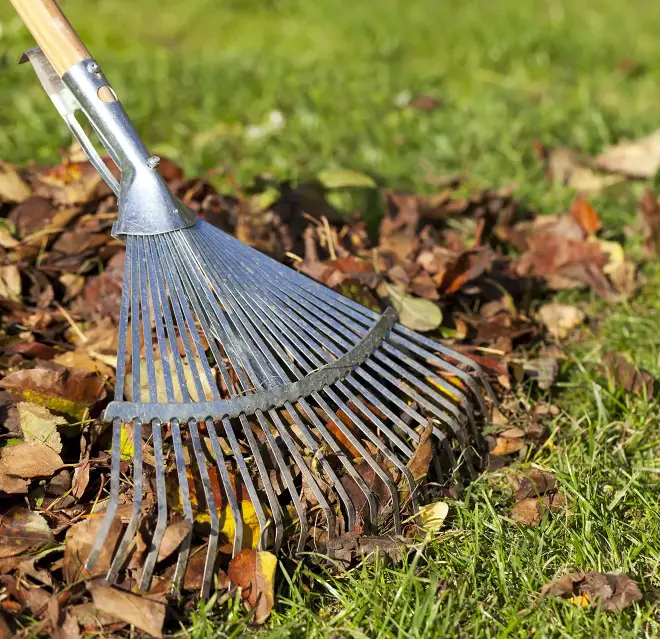
Changing weather provides a practical reason to revisit these neglected spaces. Before temperatures drop, rainfall increases, or spring growth begins, homeowners can assess areas that need attention and address small problems before they become more difficult to manage. A well-planned seasonal clean-up service can help restore order to overlooked parts of a property while preparing them for the conditions ahead.
Refreshing an outdoor space does not necessarily require a complete landscape renovation. In many cases, removing accumulated debris, clearing access routes, trimming suitable vegetation, and improving basic organization can make a noticeable difference. The key is to identify which tasks matter most, understand how the coming season may affect the property, and approach maintenance in a sensible order.
Why Overlooked Outdoor Areas Deserve Attention
Leaves and small branches may accumulate beneath shrubs or along fences. Weeds can spread through cracks in pathways, while grass may grow into garden beds. In shaded corners, damp organic material can remain for extended periods, making cleanup more difficult after wet weather.
These conditions do not automatically indicate a serious problem, but they can create unnecessary work. Debris may obscure drainage openings, block narrow walkways, or make it difficult to inspect fences and outdoor structures. Dense vegetation can also conceal damaged edging, loose materials, or areas where water collects.
A useful first step is to walk around the entire property rather than focusing exclusively on the most visible sections. Look behind outdoor furniture, along the sides of garages, around utility areas, beneath low branches, and at the points where paved surfaces meet garden beds. These locations often reveal maintenance needs that are easy to miss during routine lawn care.
The goal is not to make every corner look identical. Instead, each area should be reasonably clean, accessible, and appropriate for its purpose. A natural garden corner can remain informal without becoming obstructed by accumulated waste or unwanted growth.
Start with an Inspection Before Cleaning
Walk the property after checking the recent weather and, when possible, inspect it in daylight. Notice where leaves gather, whether water flows freely away from commonly used surfaces, and which areas become difficult to reach when vegetation grows. If the ground is saturated, postpone work that could damage the soil or create unsafe footing.
It is also helpful to distinguish between unwanted debris and material that belongs in the landscape. Fallen leaves in a managed garden bed may be useful when incorporated appropriately, while thick piles covering a pathway or drainage opening need a different response. Similarly, healthy shrubs should not be removed simply because they make a corner look untidy.
A seasonal clean-up service can be especially useful when a property has several neglected areas that require different treatments. However, homeowners can also organize smaller projects themselves by assessing each location individually and prioritizing the work according to safety, seasonal conditions, and practical use.
Identify the Areas That Need the Most Attention
Start with spaces that affect movement, drainage, or access to outdoor features. A blocked walkway deserves attention before a decorative garden border, particularly if residents use that route daily. Likewise, an area around a drain should be checked before a decorative corner that has accumulated a modest amount of harmless leaf litter.After identifying the immediate priorities, consider which areas are likely to become more difficult to maintain during the coming season. A narrow passage that is manageable in dry weather may become slippery when covered with wet leaves. A low garden edge may disappear beneath new growth in spring if it is already difficult to distinguish from surrounding vegetation.
This approach helps prevent unnecessary work. Rather than attempting to clean every corner in one session, homeowners can make a clear plan that addresses the most useful improvements first.
Three Practical Cleanup Priorities for Neglected Spaces
1. Remove Debris and Restore Clear Access
Begin with loose material that interferes with movement or conceals important features. Collect fallen branches, remove litter, and clear leaves from walkways, steps, and access points. Check the area beneath benches, around storage structures, and beside fences where debris tends to collect unnoticed.Useful tasks include:
- Gathering loose branches, litter, and excessive leaf accumulations from paths and corners.
- Clearing entrances to outdoor storage areas, gates, and commonly used side passages.
- Removing plant material that has fallen across paved surfaces or is obstructing inspection points.
- Separating reusable organic material from general waste according to local disposal guidance.
2. Reorganize Garden Edges and Dense Planting Areas
Overgrown edges can make an otherwise maintained yard look disorganized. Once loose debris has been removed, inspect the boundary between the lawn, planting beds, paths, and fences. Trim only what is appropriate for the plant and season, and avoid cutting shrubs or trees aggressively without considering their growth habits.Useful tasks include:
- Removing unwanted weeds where they compete with intended plants or spread across walking surfaces.
- Defining garden borders so lawn edges and planting areas are easier to maintain.
- Cutting back suitable dead or damaged plant material with clean, appropriate tools.
- Repositioning movable pots and garden accessories to improve access and reduce congestion.
3. Check Drainage and Prepare for the Next Season
The final priority is to make sure the refreshed space can function under changing weather conditions. Look for low spots, blocked drainage grates, loose edging, and places where water repeatedly collects. Clear accessible surface debris without dismantling drainage systems or making changes that could redirect water toward buildings or neighboring properties.Useful tasks include:
- Removing leaves and loose debris from accessible surface drainage openings.
- Checking whether pathways, steps, and other frequently used surfaces remain clear and stable.
- Identifying places where runoff appears to collect and monitoring them after rainfall.
- Moving lightweight outdoor items into suitable storage when strong winds or colder conditions are expected.
Choosing the Right Tasks for the Weather Ahead
Before colder weather, homeowners may need to address fallen leaves, clear pathways, protect suitable containers, and identify drainage concerns. Before spring, attention may shift toward removing winter debris, assessing damaged branches, refreshing bed edges, and making space for new growth.
Dry weather generally makes collecting loose debris easier, but very dry conditions can increase dust and create challenges when handling dry vegetation. After heavy rainfall, saturated soil may be vulnerable to compaction and damage from foot traffic or equipment. Wait until conditions are suitable for the work rather than forcing a cleanup into an inconvenient weather window.
The following table provides a practical starting point for planning.
Seasonal Cleanup Planning Guide
| Seasonal conditions | Areas to inspect | Practical maintenance priorities |
| Before autumn rainfall | Gutters accessible from the ground, paths, surface drains, garden edges | Remove loose debris, check accessible drainage openings, clear walking routes |
| During leaf fall | Lawn edges, fence lines, patios, shaded corners | Collect excessive leaf piles, maintain clear paths, monitor damp areas |
| Before winter | Outdoor storage, exposed containers, steps, narrow passages | Secure suitable loose items, remove obstructions, address visible maintenance concerns |
| After winter | Garden beds, damaged plant material, paths, edging | Remove accumulated debris, inspect for damage, tidy appropriate planting areas |
| Before spring growth | Lawn borders, crowded corners, planting spaces | Control emerging weeds, organize garden materials, prepare beds for planned planting |
| During dry summer periods | Shaded planting areas, soil around established plants, outdoor seating | Remove obstructive debris, inspect irrigation where relevant, avoid unnecessary disturbance to soil |
Make Forgotten Corners Easier to Maintain
A narrow passage filled with unused pots may remain difficult to clean until those items are reorganized. A fence line that repeatedly collects leaves may benefit from a simple, accessible storage arrangement nearby or more frequent light maintenance. A garden corner crowded with unsuitable plants may need a gradual redesign rather than repeated heavy trimming.
Keep regularly used tools in a dry, accessible location. Store bags, hoses, and movable accessories without blocking gates or walkways. If outdoor materials must remain in a side yard, arrange them neatly and ensure that they do not obstruct drainage or access to utilities.
Homeowners planning larger improvements should separate cleanup from redesign. Clearing an area first makes it easier to understand its dimensions, sunlight, drainage, and existing features. That information can guide later decisions about planting, edging, seating, or storage without committing to unnecessary purchases.
Build a Simple Maintenance Routine
A manageable routine is usually more effective than allowing several months of debris to accumulate before addressing everything at once. After the initial refresh, inspect the most vulnerable areas periodically, especially following storms, strong winds, or heavy leaf fall.Choose a schedule that reflects the property’s needs. A yard with mature trees may require more frequent leaf collection than a mostly paved courtyard. A shaded garden with dense planting may need closer monitoring for damp debris, while an exposed area may require more attention after windy conditions.
Booking a seasonal clean-up service can help when the property requires substantial work at the transition between seasons, when several tasks need coordinated attention, or when the homeowner lacks the time or equipment to manage the work. Before arranging a visit, clarify which areas need attention, what waste removal is included, and whether trimming, drainage checks, or other tasks fall within the agreed service.
Common Mistakes to Avoid During Outdoor Cleanup
Another mistake is cutting plants back simply to make an area look tidy. Incorrect timing or excessive pruning can damage plants and interfere with flowering. Identify the plant before making significant cuts, and seek reliable local guidance when its requirements are uncertain.
Homeowners should also avoid piling debris beside drains, fences, or building foundations while waiting for disposal. Temporary piles can obstruct access and may be scattered by wind or rain. Collect waste into suitable containers and follow local rules for green waste, composting, and disposal.
Finally, do not overlook personal safety. Wear suitable gloves and footwear, use tools according to their instructions, and be cautious around slippery surfaces, sharp branches, insects, and hidden objects. Never climb unstable structures or attempt risky overhead cutting as part of routine maintenance.
Conclusion
The most effective refresh begins by identifying practical priorities, removing obstructive debris, managing vegetation appropriately, and checking accessible drainage features. Seasonal timing matters, but so does understanding the specific needs of each part of the yard. A simple maintenance routine can then prevent minor issues from repeatedly developing into larger projects.
A seasonal clean-up service can support this process when several neglected areas require coordinated attention, while regular inspections help homeowners maintain the improvements. By treating forgotten corners as part of the overall property rather than as afterthoughts, homeowners can create outdoor spaces that remain more organized, accessible, and manageable as the weather changes.
Frequently Asked Questions
The best time depends on local weather and the type of work required. Many homeowners schedule cleanup before a period of heavy rainfall, before winter conditions arrive, or after winter debris has accumulated. Choose a time when the ground and weather allow the work to be completed safely.
Side yards, fence lines, spaces behind sheds, corners beneath shrubs, narrow pathways, and areas around outdoor storage are often overlooked. These locations can collect leaves and debris because they receive less regular attention than lawns, patios, and entrances.
No. Excessive piles should be cleared from paths, drains, and areas where they interfere with plant growth. However, suitable leaf material can be retained or composted where appropriate. The right decision depends on the location, the plants, moisture conditions, and the amount of material present.
Yes. Clearing access routes, removing obstructive debris, and organizing garden edges can make future inspections and maintenance easier. The results last longer when homeowners also address the reasons debris repeatedly accumulates.
Confirm the areas to be addressed, the expected tasks, the handling of collected waste, and any exclusions. If trimming, hauling, or drainage-related work is needed, clarify whether it is included. Sharing photographs of difficult corners can also help establish expectations before work begins.

Let Us Call You
Thank you for contacting us!

Searching through dozens of home and commercial service providers is a thing of the past. Rely on Neighborly’s national network of trusted, local service professionals for all your home and commercial service needs.
 App Store
 Google Play Store