


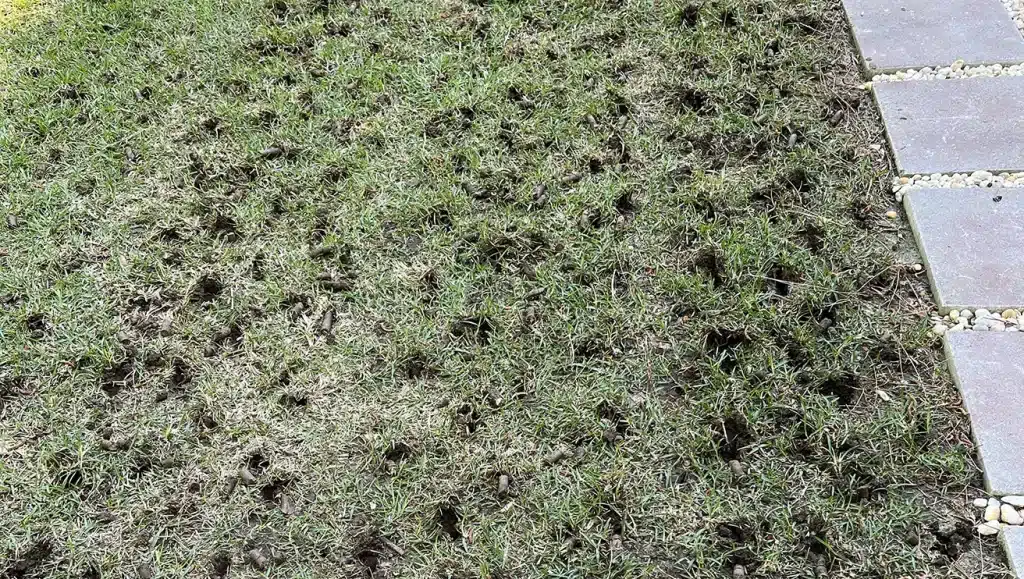
For homeowners in Southlake, understanding how aeration affects the soil can make it easier to recognize when a lawn needs more than routine maintenance. Lawn aeration Southlake services can help address compacted areas and create better conditions for roots to develop, absorb resources, and support healthier turf over time.
Understanding What Happens Beneath the Grass
Compaction can happen naturally through everyday activity. Children playing on the lawn, pets running across the same areas, outdoor gatherings, mowing equipment, and regular foot traffic can gradually press soil particles together. Clay-heavy soils can also become particularly dense when exposed to repeated traffic or unsuitable moisture conditions.
As the soil becomes harder, several problems may develop:
- Water may have difficulty moving into the root zone.
- Oxygen availability around the roots can decrease.
- Grass roots may have less room to spread.
- Fertilizer nutrients may not reach the areas where they are most useful.
Why Lawn Aeration Matters for Turf Health
That may sound like a simple process, but improving access beneath the turf can have a meaningful effect on how the lawn responds to regular maintenance. When roots have better access to essential resources, grass can develop a stronger foundation instead of relying only on surface-level care.
Aeration is particularly useful when the lawn has started showing signs of compaction. It does not replace mowing, watering, fertilization, or other maintenance practices. Instead, it helps create soil conditions in which those practices can work more effectively.
Recognizing Signs of Compacted Soil
Homeowners do not always need specialized equipment to notice that their lawn may be dealing with compacted soil. Certain changes in appearance and performance can provide useful clues.Watch for signs such as:
- Water sitting on the surface instead of soaking in normally.
- Thin or uneven grass despite consistent maintenance.
- Bare patches that take longer than expected to recover.
- Areas that feel unusually hard when walking across them.
- Grass that appears stressed soon after normal outdoor activity.
How Aeration Supports Better Root Development
A stronger root system can also help turf respond more effectively to normal environmental pressures. Instead of focusing entirely on making the grass look greener immediately, homeowners can use aeration as part of a longer-term approach that supports the foundation of the lawn. This is one reason aeration should be viewed as a soil-management practice rather than simply another cosmetic lawn treatment.
Planning Lawn Aeration Around Southlake Conditions
For Southlake homeowners, local growing conditions should be considered before scheduling work. A lawn that receives heavy traffic may need attention sooner than a lightly used yard, while areas with persistent drainage or compaction problems may require a more deliberate maintenance plan.
Before aerating, homeowners should consider:
- The current condition and thickness of the turf.
- Whether the soil is noticeably compacted.
- Recent rainfall and soil moisture.
- The type of grass growing in the yard.
- How heavily different sections of the property are used.
Preparing the Lawn Before Aeration
It is also useful to identify problem areas before the work begins. High-traffic paths, play areas, sections near driveways, and places where water tends to collect may have different needs from the rest of the yard.
Look at the Lawn as a Whole
A common mistake is focusing only on the areas that look visibly weak. Compaction can exist beneath grass that still appears reasonably healthy, particularly where people frequently walk. Instead of treating the lawn as a collection of isolated patches, consider how water moves across the property, where activity occurs, and whether certain sections repeatedly develop problems. This broader view can help homeowners decide whether the lawn needs targeted treatment or a more comprehensive aeration approach.Connecting Aeration with Lawn Fertilization
When the soil is compacted, applying more fertilizer is not necessarily the answer. If nutrients cannot move efficiently into the root zone, increasing the amount applied may not solve the underlying problem.
This is why lawn fertilization in Southlake should be considered alongside the condition of the soil rather than as an isolated treatment. A lawn care plan that considers both root access and nutrient availability can be more practical than repeatedly addressing surface symptoms.
The goal is not to apply more products. It is to create better conditions for the grass to use the resources already being provided.
Common Lawn Aeration Mistakes to Avoid
Several avoidable mistakes include:
- Aerating soil when conditions are excessively wet or dry.
- Treating aeration as a replacement for regular lawn maintenance.
- Ignoring severe drainage or grading problems.
- Applying fertilizer without considering the soil condition.
- Using unsuitable equipment for the size or condition of the lawn.
Maintaining the Lawn After Aeration
Avoid excessive traffic on newly treated areas when possible. Giving the lawn time to recover allows the soil openings to remain useful while roots take advantage of improved access.
Post-aeration care may include:
- Maintaining appropriate soil moisture.
- Following a suitable fertilization plan.
- Keeping mower blades properly maintained.
- Monitoring areas that remain thin or stressed.
- Adjusting irrigation when certain sections receive too much or too little water.
Looking Beyond a Single Season
Long-term lawn care should therefore focus on preventing unnecessary stress while responding to recurring problems. Creating designated walking paths, reducing repeated traffic across vulnerable areas, maintaining appropriate irrigation, and avoiding unnecessary equipment use on wet soil can all help protect the condition of the turf.
Homeowners should also evaluate whether recurring bare spots are actually caused by compaction. Poor drainage, shade, pests, unsuitable grass varieties, and irrigation problems can produce similar symptoms. Treating the wrong problem can waste both time and money.
Build a Maintenance Routine That Fits the Property
Every lawn has a different combination of soil, traffic, sunlight, drainage, and turf type. A useful maintenance routine should reflect those conditions rather than copying a neighbor’s schedule.A practical long-term plan may include:
- Seasonal lawn inspections.
- Appropriate mowing practices.
- Proper irrigation management.
- Timely aeration when soil conditions call for it.
- Balanced fertilization based on actual turf needs.
Conclusion
For Southlake homeowners, the best results come from treating aeration as part of a complete lawn care strategy rather than as a one-time fix. When combined with appropriate watering, mowing, fertilization, and regular observation, lawn aeration in Southlake can help create better conditions for healthy, resilient turf over the long term.
Frequently Asked Questions
The ideal frequency depends on soil type, grass variety, traffic, and the lawn’s overall condition. Some lawns benefit from annual aeration, while others may need it less often.
It can improve water movement through compacted soil, but it may not solve serious drainage or grading problems. Persistent standing water should be evaluated separately.
Yes. Frequent foot traffic can compact soil over time, making aeration particularly useful for lawns that receive regular recreational or household activity.
Fertilization may be useful after aeration when the lawn needs nutrients, but the timing and product should match the turf’s condition and seasonal requirements.
Properly performed aeration is designed to benefit established turf. Temporary disturbance is normal, but appropriate timing and technique help minimize unnecessary stress.
Yes. A lawn can have developing soil compaction before obvious symptoms appear. Preventive aeration may help maintain favorable growing conditions when appropriate for the turf and soil.

Let Us Call You
Thank you for contacting us!

Searching through dozens of home and commercial service providers is a thing of the past. Rely on Neighborly’s national network of trusted, local service professionals for all your home and commercial service needs.
 App Store
 Google Play Store