


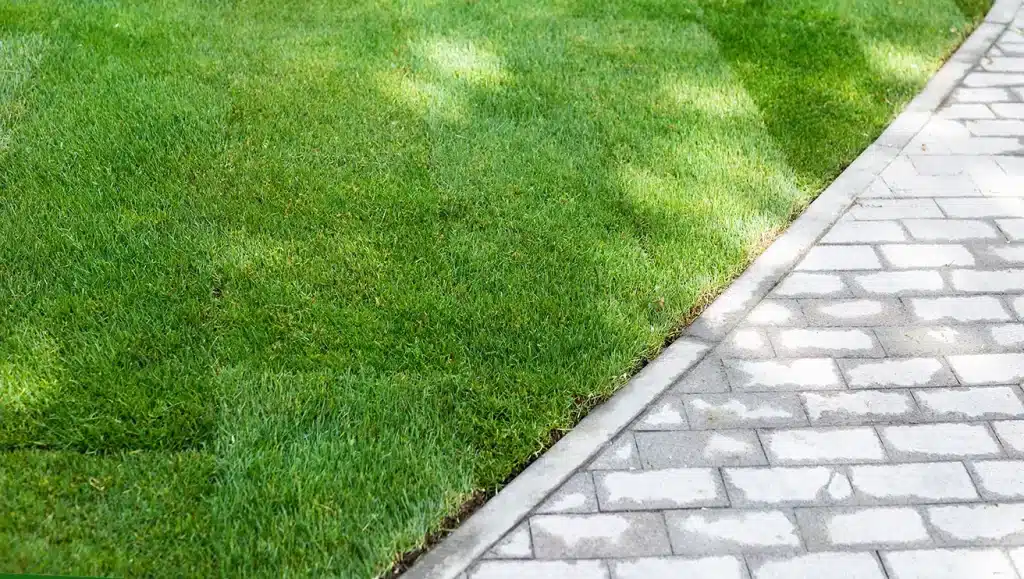
Southlake homeowners deal with heat, changing rainfall, foot traffic, drainage differences, and other conditions that can put stress on newly installed grass. Successful sod installation therefore requires more than choosing attractive turf. Soil preparation, watering, mowing, fertilization, and general yard management all have to work together if the investment is going to deliver lasting results.
Start with the Ground Beneath the Sod
Before laying the grass, the installation area should be inspected carefully. Existing weeds, old vegetation, debris, and unsuitable soil may need to be removed. Low spots should also be addressed so that water does not collect beneath the turf.
Preparing the Surface Properly
Good preparation creates better contact between the roots and the ground. The soil should be reasonably level, loose enough for roots to develop, and capable of absorbing water without staying saturated.Important preparation steps can include:
- Removing unwanted vegetation and debris
- Breaking up compacted soil
- Correcting obvious grading problems
- Adding suitable soil amendments when necessary
- Creating an even surface before the turf arrives
Selecting Grass That Fits Southlake Conditions
A property with several hours of direct sunlight may support turf differently from a yard surrounded by mature trees. Likewise, a family lawn that receives regular foot traffic needs different considerations than a small decorative area.
Homeowners should think about:
- How much sunlight each section receives
- How frequently the lawn will be used
- Whether children or pets will regularly cross the grass
- How well the soil drains
- How much ongoing maintenance the homeowner wants to provide
The First Few Weeks Matter Most
Watering is especially important. Newly laid sod should receive enough moisture to prevent drying, but the area should not become permanently saturated. Homeowners should check the soil and turf rather than relying entirely on a timer.
The first stage generally requires attention to:
- Moisture levels throughout the installation area
- Edges and seams that can dry out quickly
- Areas exposed to stronger sunlight
- Signs of lifting or poor soil contact
- Drainage after rainfall or irrigation
Watering for Root Development
As roots become established, the watering routine should gradually change. Instead of keeping the uppermost soil layer constantly wet, homeowners can transition toward deeper, less frequent watering when weather and turf conditions allow.
Signs of watering problems can include yellowing grass, soft soil, standing water, or dry areas that appear despite irrigation.
An irrigation inspection can also reveal problems that are easy to miss. A blocked sprinkler head, poor spray pattern, or uneven coverage can leave one section thriving while another slowly deteriorates.
Give the Grass Time Before Heavy Use
This is particularly relevant for active family yards. If the property includes children, pets, outdoor furniture, or frequently used pathways, homeowners should plan around the establishment period.
A few simple precautions can make a difference:
- Keep unnecessary foot traffic off newly laid areas
- Avoid dragging furniture across the turf
- Prevent vehicles from crossing the lawn
- Give frequently used routes an alternative pathway
- Watch for areas that receive repeated traffic
Mowing Should Begin at the Right Time
A simple test is to gently pull upward on the grass. If the turf lifts easily from the soil, it may need more time to establish. If the roots are holding firmly, mowing can generally be introduced according to the needs of the grass variety.
The first few cuts should be handled carefully. Removing too much of the grass blade at once can create unnecessary stress, particularly when temperatures are high.
Once established, regular lawn mowing helps maintain an even appearance and can support healthy growth. The mower should have sharp blades and the cutting height should suit the particular turf rather than following a one-height-fits-all rule.
Fertilization Should Support, Not Rush, Growth
Fertilizer requirements can vary depending on soil conditions, grass type, season, and previous preparation. A soil test can provide useful information before products are selected.
Over-fertilizing can create excessive growth that increases mowing demands and may contribute to additional stress. A measured approach is usually more useful than trying to force rapid color or growth.
Keep the Surrounding Landscape in Balance
Mature trees, for example, can create shade that limits grass growth. Their roots may also compete for water and nutrients. Regular tree trimming can sometimes improve light penetration, although branches should not be removed simply to make grass grow without considering the health and structure of the tree.
This is where thoughtful landscape design becomes useful. Rather than trying to force grass into every part of the property, homeowners can plan areas according to their natural conditions.
A balanced outdoor layout might include:
- Turf in areas with suitable sunlight
- Planting beds in heavily shaded locations
- Defined walkways for regular foot traffic
- Trees positioned to provide useful shade
- Drainage solutions where water naturally collects
How Professional Support Can Help
Professional lawn and landscape services can provide another level of observation. They can assess the condition of the turf, identify maintenance issues, monitor irrigation, and recommend adjustments as the lawn matures.
For Southlake homeowners who prefer professional assistance, The Grounds Guys of Southlake can be one option to consider when managing broader lawn and landscape needs. The value of professional help is not simply having someone perform routine tasks; it can also come from recognizing problems early and applying maintenance practices appropriate to the property.
Watch for Problems Before They Spread
Homeowners should regularly walk around the property and look at the lawn from different angles. Changes in color, density, texture, or moisture can reveal problems before they become obvious from the street.
Potential warning signs include:
- Persistent yellow or brown patches
- Water pooling after irrigation
- Grass separating from the soil
- Rapid weed growth between turf sections
- Noticeably thinner areas near trees or walkways
Weeds Need Early Attention
The best approach depends on the type of weed and the age of the lawn. Aggressive chemical treatments immediately after installation may not always be appropriate, so homeowners should identify the issue before applying products.
Healthy, dense turf is itself an important defense. When grass establishes well and covers the soil effectively, there is less open space available for many weeds to become established.
Long-Term Maintenance Protects the Investment
The homeowner’s routine may eventually include mowing, irrigation adjustments, seasonal fertilization, weed monitoring, aeration when appropriate, and occasional repairs. These tasks do not all need to happen at the same frequency.
Weather should also influence decisions. A rainy period may reduce irrigation needs, while prolonged heat can increase stress and require closer observation.
The most successful lawns are rarely maintained through one dramatic treatment. They are supported by small, consistent decisions made throughout the year.
Common Mistakes That Can Shorten a Sod Lawn’s Life
Common mistakes include:
- Installing sod over poorly prepared soil
- Overwatering because the grass looks dry
- Mowing before roots have established
- Cutting the turf excessively short
- Allowing heavy traffic too soon
- Ignoring uneven irrigation coverage
- Choosing grass without considering sunlight conditions
Planning for the Years Ahead
Installing sod first and then removing large sections for construction can lead to unnecessary expense. A coordinated plan allows hardscape and planting areas to be established first, leaving turf to complete the remaining spaces.
This approach also makes future maintenance easier. Clearly defined areas reduce confusion about where grass should be watered, mowed, or replaced.
Conclusion
For Southlake homeowners, the surrounding landscape matters just as much. Trees, drainage, walkways, planting areas, and daily yard use can influence how well the grass performs. With thoughtful planning and consistent maintenance, fresh sod can develop into a durable lawn that remains attractive well beyond its first season.
FAQs About Sod Installation in Southlake
The exact timeframe depends on grass type, weather, soil, and watering. Most new turf needs several weeks of careful care before it can handle normal use confidently.
Light access may sometimes be necessary, but unnecessary traffic should be minimized during establishment. Heavy activity can disturb the roots and create uneven areas.
Mowing should generally wait until the roots have anchored firmly into the soil. A gentle pull test can help determine whether the turf is established enough to cut.
Not always. The appropriate timing depends on the turf, soil condition, and products used during installation. Soil testing can help guide a sensible fertilization plan.
Yes. Dense shade and competing tree roots can make it difficult for certain grasses to thrive. Proper tree management and suitable landscape planning can help balance both needs.
Sod provides established turf much faster, making it attractive for homeowners who want an immediate lawn. However, successful results still depend on soil preparation and proper maintenance after installation.

Let Us Call You
Thank you for contacting us!

Searching through dozens of home and commercial service providers is a thing of the past. Rely on Neighborly’s national network of trusted, local service professionals for all your home and commercial service needs.
 App Store
 Google Play Store