


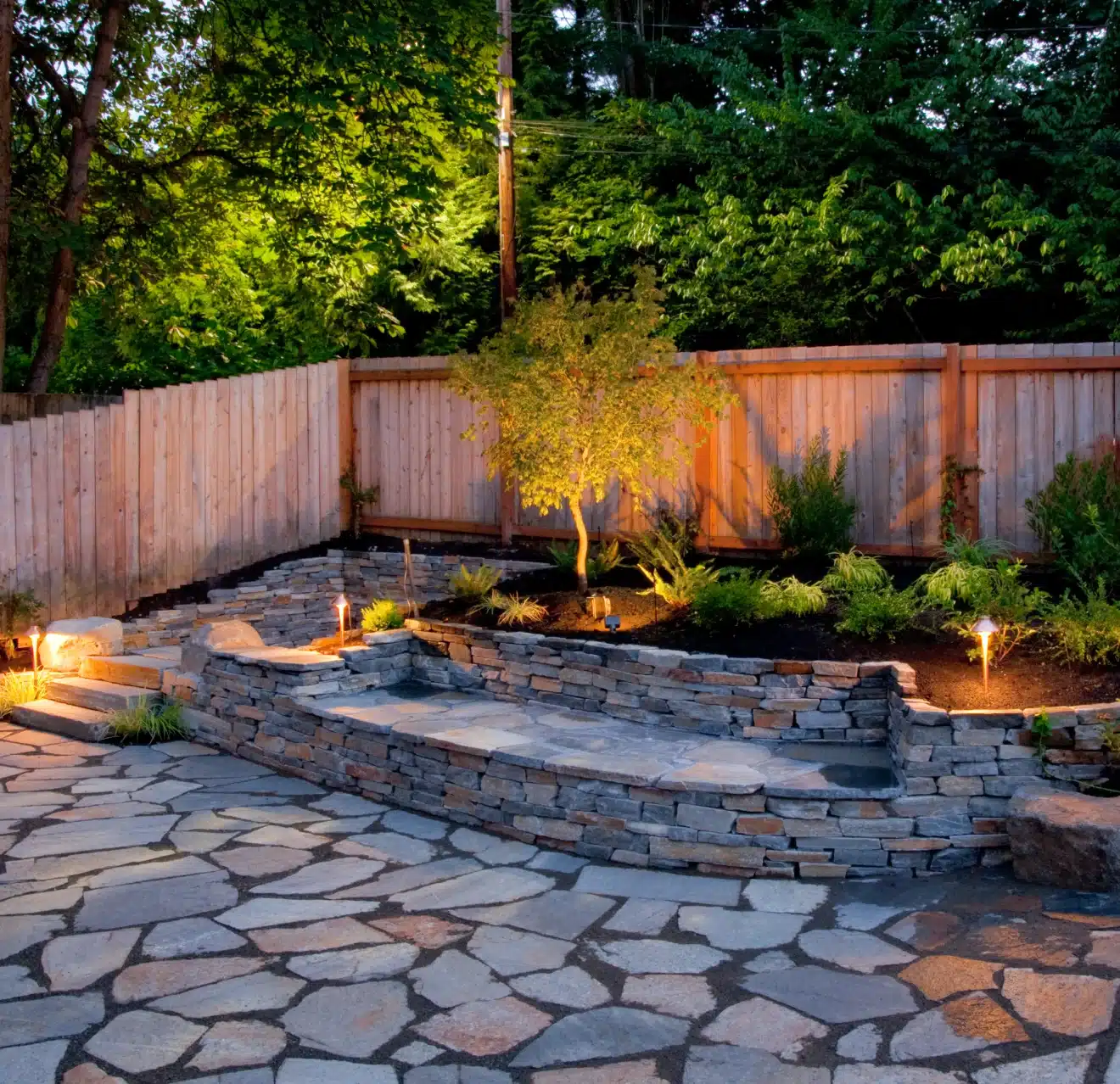
Southlake properties often have enough outdoor space to support lawns, planting beds, trees, patios, walkways, and gathering areas. The challenge is bringing those elements together without making the landscape feel crowded or difficult to maintain. Good planning can make a noticeable difference in both appearance and everyday function.
Start with the Property, Not the Plants
Observe where sunlight falls during different parts of the day, where water collects after rain, which areas stay shaded, and how people currently move through the property. Even a beautiful landscape can become frustrating when a walkway is poorly placed or a planting bed blocks an area that needs regular access.
Before making major changes, homeowners should consider:
- The amount of direct and indirect sunlight different areas receive
- Existing drainage patterns and low spots
- The location of trees, utility areas, and structures
- How children, pets, guests, or vehicles use the yard
- The amount of maintenance the household can realistically manage
Create a Layout That Supports Everyday Use
A section near the house might work well as an outdoor dining or seating area, while a larger open lawn can provide room for recreation. Planting beds can create visual separation without requiring walls or permanent structures.
Think About Movement Through the Yard
Walkways should logically connect important areas. If people naturally walk from the driveway to the backyard, for example, a clear path can prevent worn grass and reduce unnecessary foot traffic across planting areas.The same principle applies to outdoor entertaining. If a patio is frequently used for gatherings, nearby lighting, seating, and planting should support that space rather than compete with it.
When landscaping in Southlake is planned around actual household routines, the finished yard tends to feel more comfortable and useful. It becomes an extension of the home instead of simply an area that looks good from the window.
Build a Lawn That Can Handle Regular Use
Regular lawn care Southlake services can help homeowners keep grass healthier throughout the year, particularly when the yard has areas that receive different amounts of sunlight or experience heavier use.
Pay Attention to Mowing Habits
Mowing too short can put unnecessary stress on grass, while allowing it to become excessively tall can make routine maintenance harder. Sharp mower blades also matter because clean cuts are generally easier on grass than ragged cuts.For homeowners searching for lawn mowing Southlake TX options, consistency is often more valuable than simply mowing as frequently as possible. A predictable maintenance schedule helps the lawn remain neat while reducing the chance of sudden overgrowth.
Other useful lawn practices include:
- Watering according to actual weather and soil conditions
- Removing excessive leaf buildup when necessary
- Addressing thin or damaged areas before they spread
- Adjusting maintenance routines as seasons change
Use Trees Strategically Around the Property
However, tree placement and maintenance require careful consideration. Branches that grow too close to a roof, driveway, fence, or power-related infrastructure can eventually create problems.
Regular Tree Care Protects the Landscape
Tree trimming is not simply about making a tree look tidy. Removing selected branches can help maintain clearance, improve the overall structure of a tree, and prevent certain areas from becoming excessively crowded.Homeowners should also watch for branches that are dead, damaged, or rubbing against other branches. A tree that looks healthy from a distance can still have structural concerns that are easier to address when noticed early.
When adding new trees, consider their mature size rather than choosing based only on how they look at the nursery. A small tree can eventually become a major landscape feature, so giving it enough room from the beginning can prevent future conflicts.
Consider Sod When You Need a Faster Lawn Solution
The preparation underneath the sod is just as important as the sod itself. Compacted soil, poor grading, weeds, or inadequate moisture can affect the results even when high-quality turf is used.
Before installing sod, it is worth evaluating:
- Soil condition and grading
- Drainage and areas where water tends to collect
- The type of grass that suits the property
- Sunlight exposure throughout the yard
- The watering routine required after installation
Choose Plantings That Match the Property
Instead of filling every available space, homeowners can create stronger visual results by grouping plants thoughtfully. Repeating a few compatible plant types can provide continuity, while a smaller number of contrasting plants can add interest.
Planting beds should also have enough room for plants to mature. Overcrowding may look attractive during the first season, but it can create excessive pruning and competition later.
A practical planting plan should account for:
- Mature plant size
- Sun and shade requirements
- Water needs
- Seasonal appearance
- Space between plants and structures
Make Maintenance Part of the Original Design
For example, large planting beds with difficult-to-reach corners can take considerably more time to manage. Similarly, too many small lawn sections separated by narrow planting strips can make mowing unnecessarily complicated.
A practical maintenance plan may include:
- A manageable lawn shape with accessible edges
- Clearly defined planting beds
- Plants grouped according to similar water needs
- Adequate access around trees and larger landscape features
Improve the Property Without Overbuilding It
A property can become visually busy when every section has a separate focal point. In many cases, a simpler combination of healthy turf, carefully placed trees, planting beds, and one or two useful gathering areas creates a stronger result.
The best improvements usually support the property’s existing character. A landscape should complement the architecture rather than compete with it.
How Professional Help Can Simplify Larger Projects
For homeowners who prefer a coordinated approach, The Grounds Guys of Southlake can provide professional assistance with landscape-related services and ongoing property care. Working with experienced professionals can be particularly useful when a project involves multiple areas of the yard or when homeowners want a maintenance plan that continues after installation.
Professional input can also help identify practical issues that are easy to overlook, such as drainage problems, plant spacing, access requirements, or maintenance demands.
Avoid These Common Landscaping Mistakes
Common mistakes include:
- Choosing plants without considering their mature size
- Installing turf without preparing the soil properly
- Ignoring drainage until after construction is complete
- Planting too densely for the available space
- Cutting grass or trees too aggressively
- Designing features without considering future maintenance
Think About the Landscape Five Years From Now
A young family may initially want a large open lawn, for example, while years later they may value a shaded seating area more. Planning with some flexibility makes it easier to adapt without completely redesigning the property.
Long-term thinking also means investing in quality where it matters. Proper soil preparation, suitable plants, durable materials, and regular maintenance can reduce the need for repeated corrections.
Small Improvements Can Have a Noticeable Effect
Refreshing an overgrown planting bed, improving the edge between lawn and garden areas, replacing damaged turf, or trimming a tree that blocks an important view can produce meaningful results without changing the entire yard.
The key is identifying what currently limits the property’s appearance or usability. Once those issues are addressed, additional improvements become easier to prioritize.
Conclusion
For homeowners considering landscaping in Southlake, the strongest results usually come from planning before planting or construction begins. Understanding the property’s conditions, choosing improvements that fit the household’s needs, and considering future maintenance can turn an ordinary yard into a more useful and enjoyable part of the home.
Whether the project involves new sod, better lawn maintenance, tree trimming, or a broader landscape redesign, every decision should contribute to a landscape that remains attractive and manageable over time.
Frequently Asked Questions
Start by evaluating sunlight, drainage, soil, existing trees, lawn condition, and how the outdoor space is used. A clear plan can prevent costly changes later.
Sod can be a practical choice when homeowners want an established-looking lawn quickly. Proper soil preparation and follow-up watering are essential for successful establishment.
There is no single schedule for every tree. Trimming needs depend on the tree’s species, age, condition, location, and growth pattern.
A simple lawn layout, suitable grass, proper mowing, appropriate watering, and well-planned planting beds can make routine maintenance much easier.
Yes. Features such as defined seating areas, useful walkways, shade, lighting, and well-positioned planting can make outdoor areas more comfortable and practical.
Not necessarily. A phased approach can make a large project easier to manage and allows homeowners to prioritize the improvements that matter most.

Let Us Call You
Thank you for contacting us!

Searching through dozens of home and commercial service providers is a thing of the past. Rely on Neighborly’s national network of trusted, local service professionals for all your home and commercial service needs.
 App Store
 Google Play Store