


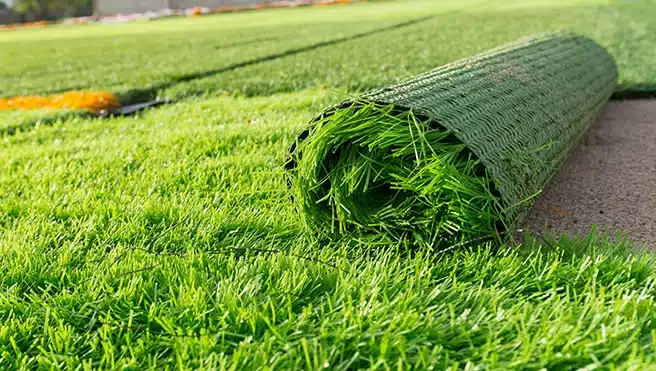
For homeowners considering artificial turf Southlake, this combination can make outdoor space easier to organize around everyday routines. A paved area can hold a dining set or grill, while artificial turf creates a green area for children, pets, or casual recreation. The most successful designs begin with the property itself: its dimensions, slope, drainage patterns, sunlight, access points, and existing landscaping.
Why Combine Artificial Turf and Pavers?
The combination can define outdoor zones without making the yard feel crowded. A small paved landing beside the back door may serve as a transition space, a larger paver patio can accommodate a table and chairs, and an artificial turf area can remain open for play or lounging. In a narrow yard, a path of pavers through artificial turf can create a clear route without covering the entire space in hard materials.
This approach can also help homeowners rethink underused parts of their properties. An awkward corner may become a small seating area, while a worn section near the patio can be redesigned as a more consistent surface. The best layout depends on how the household uses the yard, rather than on appearance alone.
Start with the Way You Use the Yard
Observe how people already move through the space. Note where everyone naturally enters, where muddy or worn patches appear, and which corners are rarely used. If the yard has an awkward side passage, a paver walkway may make it easier to reach a gate or storage area. If the patio feels disconnected from the garden, a strip of artificial turf can visually link the two areas.
Design Choices That Help the Space Work Harder
Consider these decisions while developing the layout:- Give each zone a purpose. Decide where people will sit, walk, play, or tend plants before finalizing the boundaries between pavers and artificial turf.
- Keep routes intuitive. Connect doors, gates, seating areas, and other frequently used destinations with clear walking paths.
- Protect usable open space. Avoid dividing a modest yard into too many small shapes that leave little room for furniture or movement.
Choose Pavers That Complement Artificial Turf
Scale is just as important as color. Oversized pavers may overwhelm a small yard, while tiny units can make a large patio feel visually busy. Straight layouts often feel orderly; a running pattern can add movement without competing with the turf.
For a cohesive result, repeat one or two colors already present in the home or garden. This might mean matching a paver tone to exterior masonry or choosing edging that relates to a nearby fence. The goal is to create a coordinated appearance without making every material identical.
Plan the Boundaries Between Pavers and Artificial Turf
Curves can soften a rectangular patio, but they require accurate measuring and careful cutting. Straight lines are generally easier to lay out and can suit modern designs. Whichever approach you choose, avoid thin leftover strips of artificial turf that are difficult to secure or maintain. A slightly revised layout may create more balanced shapes and reduce unnecessary offcuts.
The transition should also be comfortable to walk across. Sudden changes in level can create a trip hazard, particularly where the path is used at night or by children and older adults. Plan the finished heights of both materials together rather than installing one surface and trying to make the other fit afterward.
Drainage and Ground Preparation Come First
Every artificial turf Southlake project should be assessed for the property’s specific conditions rather than built from a standard layout. Soil type, existing drainage, shade, and runoff from nearby hard surfaces can affect the preparation required. Adding pavers increases the area that may shed water instead of absorbing it, so the plan should account for where that water will go.
Questions to Resolve Before Installation
Before construction starts, confirm the following details:- Water flow: Identify where rainwater currently travels and whether the proposed patio or walkway will redirect it toward the home, a fence, or a low point.
- Base depth and stability: Determine the appropriate excavation and compacted base for each surface, based on the site and selected materials.
- Finished levels: Coordinate the height of the pavers, turf, door thresholds, and adjoining paths to avoid abrupt lips or unintended pooling.
How the Main Surface Options Compare
| Surface or feature | Best suited for | Main planning consideration |
| Artificial turf | Green visual space, casual play, and a consistent appearance | Base preparation, drainage, infill, and cleaning |
| Concrete or stone pavers | Patios, dining areas, paths, and furniture zones | Stable base, joint spacing, finished height, and runoff |
| Paver stepping path through artificial turf | Connecting destinations while retaining open green space | Comfortable spacing, secure edges, and clear walking lines |
| Planting bed beside pavers | Softening edges and adding seasonal interest | Root growth, irrigation, soil containment, and access |
| Gravel or a narrow border | Creating a transition between materials | Containment, weed management, and loose material control |
Plan Around Furniture, Plants, and Everyday Movement
Planting should be integrated into the layout rather than added wherever a gap remains. Trees and shrubs provide texture and shade, but their mature size matters. Roots can affect nearby paving, fallen leaves may require more frequent cleaning, and dense planting can make narrow routes harder to use. Keep access available for pruning, irrigation checks, and other routine tasks.
Practical Details Worth Deciding Early
- Furniture placement: Measure the pieces you own, including the space needed to move chairs and walk around them.
- Planting and shade: Consider mature plant size, leaf drop, irrigation needs, and how shade may affect nearby surfaces.
- Lighting and access: Plan lighting near steps and paths, and make sure gates, drains, and service areas remain accessible.
Maintaining Artificial Turf and Pavers
For homeowners considering artificial turf Southlake, seasonal checks are useful. After heavy rain, look for standing water, shifted edging, or pavers that appear to have settled. During dry, windy weather, clear loose debris before it gathers along borders. If the yard includes trees, plan for leaf cleanup so organic material does not build up between turf fibers or in paver joints.
Cleaning methods should suit the specific products. Harsh chemicals, excessive heat, or unsuitable pressure-washing techniques can damage some surfaces, so follow manufacturer instructions and installer recommendations.
Common Design Mistakes to Avoid
Overcomplicated patterns can also weaken the design. Multiple paver shapes, contrasting borders, winding edges, and several small turf sections may compete for attention. A restrained palette and clear layout often make the yard feel more cohesive.
Finally, avoid treating artificial turf as a surface that requires no care. It does not need mowing, but debris removal, occasional brushing, cleaning, and checks around seams and edges remain part of ownership. Realistic expectations help homeowners choose a design they can maintain comfortably.
Conclusion
For homeowners exploring artificial turf Southlake options, the best starting point is a site-specific plan that accounts for movement, drainage, material proportions, and future maintenance. With thoughtful preparation and a clear layout, the result can be a yard that looks cohesive and works well for everyday life.
Frequently Asked Questions
Yes. They can work as complementary surfaces, with pavers used for patios and walking routes and artificial turf used for open green areas. Both need suitable base preparation and coordinated drainage.
It can be a practical option where homeowners want a green transition between a paved seating area and the rest of the yard. The edge needs to be stable, the surfaces should meet at a comfortable level, and water flow should be considered during planning.
The correct base depends on the soil, site conditions, products, and intended use. Artificial turf generally needs a prepared, compacted base suitable for drainage, while pavers need a stable base and appropriate bedding and joint materials. The installer should specify the assembly for the property.
They can change how water moves because paved surfaces generally absorb less rainfall than planted soil. Good grading and a plan for runoff help reduce the risk of pooling. The design should consider downspouts, nearby structures, and existing low spots.
Ask how the installer evaluates drainage, prepares the base, secures turf edges, sets paver levels, and handles transitions between materials. Request a clear scope of work and ask which maintenance steps are recommended for the selected products.

Let Us Call You
Thank you for contacting us!

Searching through dozens of home and commercial service providers is a thing of the past. Rely on Neighborly’s national network of trusted, local service professionals for all your home and commercial service needs.
 App Store
 Google Play Store