


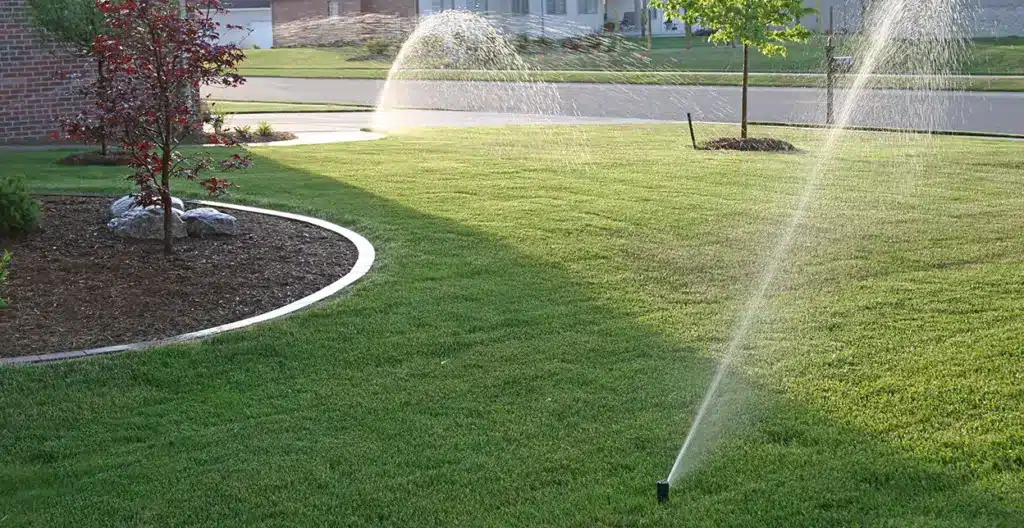
A well-planned watering routine should support healthy root development without wasting water or leaving parts of the yard too wet. A professional lawn service in Arlington can help homeowners identify problems with irrigation, soil moisture, mowing habits, and seasonal lawn care. Understanding these factors makes it easier to maintain a yard that looks good and handles local weather more effectively.
Why Watering More Does Not Always Mean a Healthier Lawn
Grass also needs a balance between moisture and oxygen around its roots. When soil remains saturated for extended periods, roots may struggle to obtain the air they need. On the other hand, soil that dries out too quickly can prevent roots from absorbing enough moisture to support healthy growth.
Homeowners should pay attention to how their lawns respond after watering. If some areas remain green while others become dry, the issue may involve uneven sprinkler coverage, differences in soil conditions, or varying amounts of sunlight. Recognizing these patterns helps determine whether the lawn needs a change in watering habits or a more targeted repair.
Understanding Arlington’s Climate and Its Effect on Lawn Watering
Wind, sunlight, shade, and the type of grass growing in a yard also influence water requirements. A lawn exposed to direct afternoon sun may dry out faster than a shaded section beside a house or under mature trees. Treating every part of the property exactly the same can lead to overwatering in some locations and underwatering in others.
Adjusting Watering to Seasonal Conditions
Rather than following one fixed schedule throughout the year, homeowners should adjust irrigation according to current conditions and the lawn’s needs.Useful practices include:
- Checking recent rainfall before running an irrigation system.
- Monitoring the soil to determine whether it has dried below the surface.
- Adjusting watering frequency during periods of extreme heat or cooler weather.
- Following applicable local watering restrictions and conservation guidelines.
Signs Your Watering Routine May Be Causing Problems
Brown Patches and Uneven Grass Color
Brown or yellow areas may indicate insufficient moisture, but they do not always mean the lawn needs more water. Sprinkler heads may be blocked, damaged, or positioned incorrectly. Water pressure can also affect how evenly an irrigation system covers the yard.Before changing the schedule, check whether the affected areas receive water during a normal irrigation cycle. If the sprinklers operate correctly, investigate other possibilities, such as compacted soil, disease, or insect activity.
Water Running Across the Surface
If water flows onto sidewalks, driveways, or neighboring areas before soaking into the ground, the lawn may be receiving water too quickly. Compacted soil, sloped ground, and heavy watering cycles can all contribute to runoff.Shorter watering cycles with suitable intervals between them may allow water to soak into the soil more effectively. This approach is often useful on slopes or in areas where the ground absorbs moisture slowly. However, persistent runoff may require additional attention to soil structure or drainage.
Grass That Remains Wet for Too Long
Grass that stays damp well after watering may be receiving excessive moisture or growing in an area with poor drainage. Constantly wet conditions can contribute to shallow roots and create a favorable environment for certain lawn diseases.Homeowners should also look for soft ground, standing water, or areas that remain muddy long after rainfall. These signs suggest that simply reducing watering frequency may not solve the entire problem.
How to Build a More Effective Watering Routine
Check the Soil Before Turning on the Sprinklers
The surface of a lawn can look dry even when moisture remains available deeper in the soil. Conversely, grass may appear reasonably green while its root zone is becoming too dry. Checking soil moisture below the surface provides a better indication of whether irrigation is necessary.A small garden trowel can help you examine the soil without disturbing a large area. If the soil is still moist several inches below the surface, immediate watering may not be necessary. If it feels dry at root depth, the lawn may benefit from additional moisture, depending on the grass type and current conditions.
Water Deeply Instead of Relying on Frequent Light Sprinkling
Frequent, shallow watering can encourage roots to remain closer to the surface, where moisture levels change quickly. When conditions and soil allow, watering deeply enough to moisten the root zone can encourage stronger root development.The appropriate amount depends on soil type, grass variety, temperature, and the condition of the lawn. Sandy soil typically drains more quickly than heavier clay soil, so the same watering cycle may produce different results in two yards.
Homeowners should avoid applying water faster than the ground can absorb it. If runoff begins, pause the cycle and allow the water to soak in before continuing. The objective is to deliver useful moisture to the roots rather than simply running the sprinklers for a longer period.
Inspect Sprinkler Coverage
An irrigation system may appear to cover the entire yard while leaving small dry spots between sprinkler patterns. A simple inspection can help identify these gaps.Look for tilted sprinkler heads, clogged nozzles, broken components, and water spraying directly onto pavement. Also check whether plants, fences, or recently added landscaping features block the spray.
A basic coverage review should include:
- Checking each sprinkler zone while the system operates.
- Looking for areas that receive noticeably more or less water than surrounding grass.
- Confirming that sprinkler heads rotate and retract properly.
- Adjusting spray direction to reduce water loss onto paved surfaces.
The Role of Professional Lawn Care in Arlington
For example, a homeowner may assume that a brown section needs additional irrigation when the actual problem is compacted soil preventing water from penetrating effectively. Another yard may have functioning sprinklers but require a different schedule because shaded areas retain moisture longer than grass exposed to afternoon sun.
Professional services can also help homeowners understand how mowing height, seasonal fertilization, weed management, and soil conditions affect water use. These factors work together, so correcting only one part of the maintenance routine may not produce lasting results.
The goal is not necessarily to increase the amount of maintenance performed. It is to identify what the lawn actually needs and avoid unnecessary treatments or repeated adjustments that do not address the cause of the problem.
Common Watering Mistakes That Can Damage a Lawn
Following a Fixed Schedule All Year
Running sprinklers on the same days and for the same duration regardless of rainfall or temperature can lead to inconsistent results. Irrigation should respond to weather conditions, soil moisture, and the lawn’s current requirements.Automatic controllers are useful, but they should be adjusted when conditions change. Rain sensors and smart irrigation controls may also help prevent unnecessary watering when properly configured.
Watering During the Hottest Part of the Day
Watering during periods of high heat and strong sunlight can increase water loss before it reaches the soil. Early morning is generally a practical time for irrigation because temperatures are often lower and wind conditions may be more favorable.Evening watering can sometimes leave grass wet overnight, particularly in humid conditions. Since prolonged leaf wetness may increase the risk of certain diseases, homeowners should consider local weather and the lawn’s specific needs when selecting an irrigation time.
Ignoring Soil Compaction
Foot traffic, lawn equipment, and repeated use can compress soil particles, reducing the spaces that allow air and water to move through the ground. Water may then collect on the surface instead of reaching the roots.If the lawn has compacted areas, aeration may help improve water infiltration. However, aeration should be timed appropriately for the grass variety and growing conditions. It is not automatically necessary for every lawn or every season.
Applying Too Much Water After Seeing Brown Grass
Brown grass does not always indicate drought stress. Adding more water without checking the affected area can make drainage problems worse or contribute to disease. Homeowners should first inspect soil moisture, sprinkler coverage, and the pattern of damage before making major changes.How Watering Connects with Mowing and Other Lawn Maintenance
Grass cut too short has less leaf surface available to support growth and may experience greater stress during hot weather. Maintaining an appropriate mowing height for the grass variety can help protect the soil from direct sunlight and reduce moisture loss. Sharp mower blades also create cleaner cuts than dull blades, which can tear grass and leave it looking damaged.
Fertilization requires similar care. Applying fertilizer at an unsuitable time or rate can place additional stress on grass, and some applications may increase the lawn’s water requirements. Homeowners should follow product directions and choose treatments that suit the grass type and season.
Weeds can compete with turfgrass for water, nutrients, and sunlight. However, not every weed problem requires the same treatment, and applying products without identifying the weed may lead to poor results. A coordinated maintenance plan helps ensure that watering, mowing, and other treatments support the same goal.
For homeowners who struggle to coordinate these tasks, a lawn service in Arlington can help establish a practical maintenance routine that considers the entire property instead of treating irrigation as an isolated issue.
Maintaining Better Lawn Conditions Throughout the Year
During active growth, check whether the grass is recovering well after mowing and whether the soil retains enough moisture between watering sessions. During cooler periods, reduce irrigation when rainfall and lower evaporation make frequent watering unnecessary. After heavy rain, inspect low areas for standing water and look for signs of erosion or runoff.
A simple maintenance checklist can keep these observations manageable:
- Inspect the lawn weekly for changes in color, growth, and texture.
- Review the irrigation system periodically for leaks or uneven coverage.
- Keep track of rainfall and adjust the watering schedule accordingly.
- Address drainage issues before they repeatedly damage the same areas.
- Reassess the lawn after major seasonal weather changes.
If recurring damage continues despite reasonable adjustments, consider a more detailed assessment. Persistent problems may involve soil composition, root damage, pests, disease, or drainage rather than irrigation alone.
When to Repair the Irrigation System or Rethink the Lawn
The first step is to understand the cause and extent of the damage. If the grass is healthy in most areas but weak near a broken sprinkler head, a targeted repair may be appropriate. If several sections remain unhealthy despite consistent maintenance, examine whether the underlying soil or drainage conditions need attention.
Homeowners should compare the cost of repairs with the likely benefits over time. Replacing grass without fixing the problem that caused it to fail can lead to the same damage returning. Likewise, installing additional irrigation equipment will not solve a problem caused by poor drainage or excessive watering.
An experienced lawn service in Arlington can help homeowners evaluate the available options and prioritize the work that is most likely to improve the yard. This approach supports informed decisions rather than spending money on treatments that do not address the actual issue.
Conclusion
Start by observing how your yard responds after irrigation, checking for uneven coverage, and adjusting the schedule to suit current conditions. When problems persist, a professional lawn service in Arlington can help identify the underlying cause and recommend practical solutions. With a well-planned approach, homeowners can maintain stronger grass, make better use of water, and keep their outdoor spaces in better condition throughout the year.
Frequently Asked Questions
There is no single schedule that works for every lawn. Watering frequency depends on grass variety, soil type, rainfall, temperature, and sunlight exposure. Check soil moisture and follow local watering guidelines rather than relying only on a fixed calendar.
Brown grass may result from uneven sprinkler coverage, compacted soil, poor drainage, pests, disease, or mowing stress. Check the affected area’s soil moisture and inspect the irrigation system before increasing watering.
Early morning is generally a good choice because temperatures and wind conditions are often more favorable for efficient irrigation. It also gives grass time to dry during the day, although the ideal schedule depends on local conditions.
Yes. Excessive watering can contribute to shallow roots, poor soil aeration, runoff, and conditions that favor certain lawn diseases. Allowing the soil to drain and adjusting irrigation to actual moisture needs can help reduce these risks.
Run each irrigation zone and watch for broken heads, blocked nozzles, uneven spray patterns, leaks, and water landing on pavement. If some areas remain dry while others become saturated, the system may need adjustment or repair.
Consider professional help when brown patches keep returning, water pools in the yard, irrigation coverage is inconsistent, or you cannot identify why the grass is struggling. An assessment can help distinguish watering problems from soil, drainage, pest, or disease issues.

Let Us Call You
Thank you for contacting us!

Searching through dozens of home and commercial service providers is a thing of the past. Rely on Neighborly’s national network of trusted, local service professionals for all your home and commercial service needs.
 App Store
 Google Play Store