


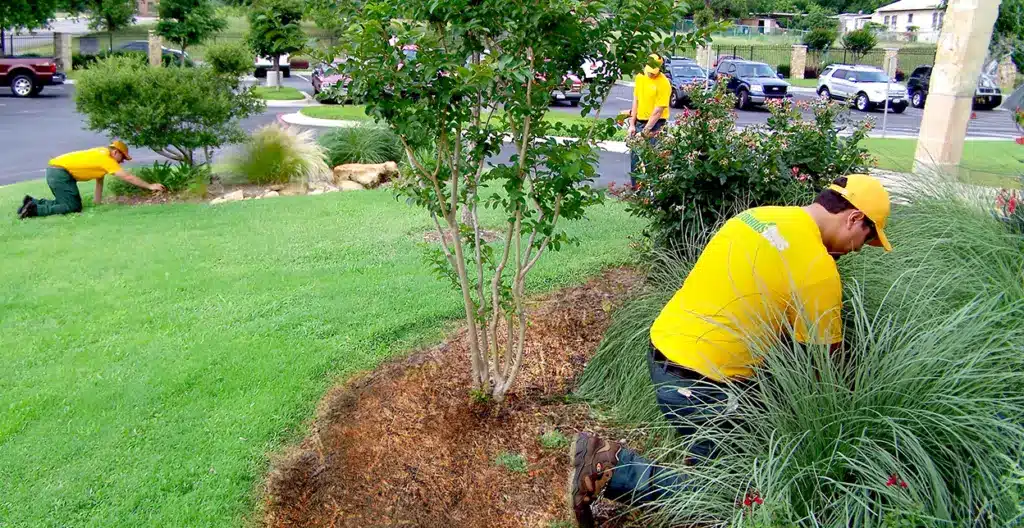
That is why a thoughtful lawn maintenance routine matters. The right combination of mowing, watering, soil care, seasonal attention, and landscape planning can help grass remain stronger throughout the year. For homeowners who want consistent results without overlooking important details, professional lawn care services in Arlington can provide a practical way to manage these responsibilities.
Understanding What a Healthy Arlington Lawn Needs
One of the first steps is understanding what is happening beneath the grass. Compacted soil, poor drainage, thin turf, and uneven moisture can create problems that cannot be solved simply by cutting the grass more often.
A useful lawn assessment should consider:
- Areas receiving full sun versus partial shade
- Soil condition and drainage patterns
- Existing grass density and bare spots
- Irrigation coverage and watering habits
- Seasonal changes affecting turf growth
Building a Better Lawn Care Routine
A routine should be based on the condition of the lawn rather than an arbitrary schedule. During active growth, mowing may need to happen more frequently, while slower growth periods require a different approach.
Why Proper Lawn Mowing Matters
Lawn mowing seems straightforward, but the way grass is cut can have a significant effect on its overall condition. Cutting too short can expose the soil and place unnecessary stress on the plants, particularly during hot weather.Sharp mower blades also matter. Dull blades can tear grass instead of making clean cuts, leaving the lawn looking rough and potentially creating additional stress.
A sensible mowing routine generally includes:
- Adjusting cutting height according to grass type and season
- Avoiding removal of too much grass at one time
- Keeping mower blades properly maintained
- Changing mowing patterns to reduce repeated soil compaction
- Keeping an eye on grass growth after rainfall
Watering Without Wasting Resources
The goal is to encourage deeper root development by watering appropriately rather than giving the lawn small amounts of water every day. Soil type and drainage should also be considered because water does not move through every yard in exactly the same way.
Homeowners should pay attention to signs such as:
- Grass blades remaining flattened after being walked on
- Dry or discolored areas appearing across the lawn
- Water collecting in low spots
- Runoff occurring during irrigation
- Uneven growth between different parts of the property
Improving Soil Before Problems Become Visible
Heavy foot traffic can gradually compress the soil, reducing the space available for air, water, and roots. Over time, this can lead to thin turf and slow recovery from normal wear.
Aeration can help relieve compaction by creating openings through the soil. Depending on the lawn’s condition, homeowners may also benefit from soil testing to identify nutrient imbalances or other underlying issues.
Feeding the Lawn with a Purpose
Fertilizer should not be applied simply because the lawn looks slightly dull. Applying the wrong product, using too much, or fertilizing at an unsuitable time can create additional problems.A more practical approach is to consider the lawn’s actual requirements. Soil testing can provide useful information about nutrient levels and help homeowners make more informed choices.
Proper nutrition can support:
- Stronger root development
- More consistent turf growth
- Better recovery from normal wear
- Improved density and color
- Greater resilience during stressful weather
Filling Bare Areas with the Right Solution
Before repairing a damaged area, it is useful to determine why the grass disappeared. Replacing turf without addressing the original problem can result in the same patch becoming damaged again.
For larger areas, sod installation can provide an established layer of grass much faster than waiting for seed to develop. However, successful installation still depends on preparation. The soil needs to be properly graded, cleared, and prepared before new sod is placed.
Small areas may sometimes be repaired through overseeding or targeted turf replacement. The best option depends on the size of the damaged area, grass variety, season, and condition of the soil.
Designing the Yard Around How It Is Used
Thoughtful landscaping can help distribute activity and reduce unnecessary stress on turf. For example, a defined walkway can prevent people from repeatedly crossing the same section of grass, while planting beds can add visual interest without requiring the entire property to remain covered in turf.
Good yard planning may include:
- Creating clear walking routes
- Using planting beds around appropriate areas
- Selecting plants suited to local conditions
- Improving drainage where water tends to collect
- Leaving enough open lawn for practical outdoor use
How Lawn Care Services in Arlington Can Simplify Maintenance
Professional lawn care services in Arlington can help homeowners create a more organized maintenance plan. Instead of responding to problems after the lawn has already deteriorated, professional support can focus on regular observation and timely care.
For example, a service provider may help identify uneven growth, recommend adjustments to mowing practices, monitor turf condition, and address problem areas before they become more difficult to repair.
Around the middle of a broader lawn maintenance plan, The Grounds Guys of Arlington can be considered as one professional option for homeowners looking for assistance with routine lawn and landscape needs. Professional help can be particularly useful for properties where maintenance requirements are difficult to manage consistently.
Seasonal Changes Require Different Strategies
Rather than following one fixed routine all year, homeowners should adjust their approach as conditions change.
Spring Preparation
Spring is a useful time to inspect the lawn for winter damage, compacted areas, weeds, and thin growth. Irrigation equipment should also be checked before warmer weather increases watering demands.Summer Protection
Summer can place considerable stress on turf. Mowing at an appropriate height, monitoring moisture, and avoiding unnecessary disturbance can help grass cope with hotter conditions.Fall Maintenance
Fall provides an opportunity to address areas that weakened during summer. Depending on the grass type and lawn condition, homeowners may consider aeration, overseeding, soil improvements, or other maintenance tasks.Winter Observation
Winter generally requires less active lawn work, but the property should not be ignored. Excessive traffic on dormant grass can cause damage, while drainage issues may become more noticeable after periods of rain.Common Lawn Care Mistakes to Avoid
Some common mistakes include:
- Cutting grass excessively short
- Watering on an automatic schedule without checking soil conditions
- Using fertilizer without understanding lawn requirements
- Ignoring drainage problems
- Allowing mower blades to become dull
- Treating every patch of damaged grass in the same way
Choosing Professional Help for the Right Reasons
Homeowners should look for providers that understand local growing conditions and can explain why a particular treatment or service is recommended. Clear communication is important, especially when the lawn requires several different types of care.
A good service plan may combine routine mowing with seasonal maintenance, turf improvements, irrigation observations, and landscape upkeep. The exact combination should depend on the property rather than a one-size-fits-all package.
Thinking Beyond a Single Season
Homeowners should also think about how the yard may be used in the future. A family that plans to create an outdoor seating area, install a play space, add garden beds, or change the property’s layout may benefit from planning those improvements before investing heavily in turf.
A long-term approach can help prevent unnecessary work and make future landscaping projects easier to complete.
Conclusion
For Arlington homeowners, a consistent approach is often more effective than trying to fix visible problems one at a time. Whether the goal is improving existing grass, repairing damaged areas, or planning broader outdoor improvements, thoughtful maintenance can make a significant difference. When the workload becomes difficult to manage, lawn care services in Arlington can provide the experience and consistency needed to keep the property looking its best throughout changing conditions.
FAQs About Residential Lawn Care in Arlington
Mowing frequency depends on grass type, season, rainfall, and growth rate. It is generally better to mow according to growth rather than following the same weekly schedule throughout the year.
Not necessarily. Frequent shallow watering can encourage weaker root development, while appropriate deeper watering can support healthier roots. Soil and weather conditions should guide the watering routine.
Sod installation can be useful when homeowners need established turf quickly or have large bare areas to repair. Proper soil preparation is essential for successful results.
Yes. Well-planned landscaping can reduce foot traffic on grass, improve drainage, define activity areas, and create a better balance between turf and planted spaces.
Thin grass can result from several factors, including shade, compacted soil, poor watering, nutrient deficiencies, disease, insects, or excessive traffic. Identifying the cause is important before choosing a treatment.

Let Us Call You
Thank you for contacting us!

Searching through dozens of home and commercial service providers is a thing of the past. Rely on Neighborly’s national network of trusted, local service professionals for all your home and commercial service needs.
 App Store
 Google Play Store