


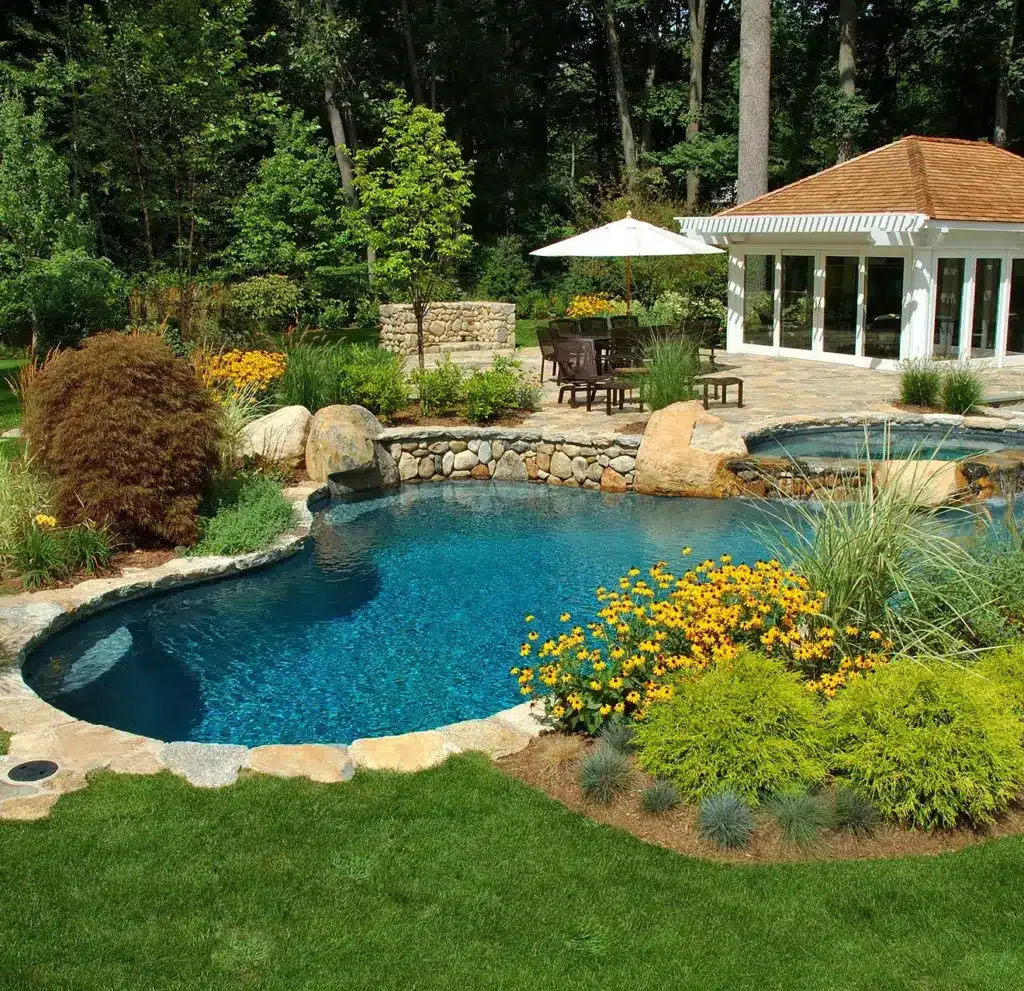
Good landscaping in Arlington starts with practical decisions. When the design suits the property, and the maintenance plan matches local conditions, a yard can look attractive while also being easier to care for throughout the year.
Start with the Yard You Actually Have
A useful first step is to walk around the yard at different times of day. Notice which areas receive full sun, where water collects after rain, and which sections remain shaded. These details can influence everything from grass selection to plant placement.
Homeowners should also consider how the yard is used. A family with children may need open lawn space, while someone who enjoys outdoor entertaining may prefer a patio surrounded by planting beds. A property with pets may require durable turf and surfaces that are easy to maintain.
A simple planning checklist can include:
- Areas that receive strong afternoon sunlight
- Places where water drains slowly
- Existing trees and established plants
- High-traffic sections of the lawn
- Outdoor areas that could serve a specific purpose
Landscaping in Arlington Should Balance Beauty and Function
For example, a large open lawn can provide visual breathing room around a home, while carefully positioned shrubs can soften hard architectural lines. Shade trees can make outdoor areas more comfortable, while groundcover or mulch can reduce the amount of exposed soil.
Function should remain part of the design from the beginning. A narrow planting bed placed beside a frequently used walkway may look attractive initially but become difficult to maintain. Similarly, trees planted too close to structures can create problems as they mature.
Good planning considers what the landscape will look like several years from now, not just on installation day.
Build Healthy Soil Before Expecting Healthy Growth
Before installing new landscape features, homeowners should examine whether the soil is compacted or lacking organic material. Areas that have experienced construction, heavy foot traffic, or years of neglect may need additional preparation.
Improving the soil can involve:
- Loosening compacted areas before planting
- Adding suitable organic material where needed
- Improving drainage in problem spots
- Removing excessive debris or unwanted vegetation
Choose Plants Based on Conditions, Not Just Appearance
Sun exposure, soil moisture, mature size, and maintenance requirements all matter. A plant that prefers shade may struggle in an exposed location, while a plant that requires consistently moist soil may not be suitable for a dry area.
Think about mature growth as well. Small shrubs can look harmless when first installed, but they may eventually crowd windows, paths, or neighboring plants. Giving each plant enough room from the beginning can reduce pruning and relocation problems later.
A thoughtful landscape usually combines several types of plants rather than relying on one species throughout the property. Different textures, heights, and seasonal characteristics can create visual interest without making the yard feel overcrowded.
Give Your Lawn a Stronger Foundation
This is where consistent lawn care in Arlington becomes important. Mowing, watering, fertilization, aeration, weed management, and seasonal observation all contribute to healthier turf.
Mowing deserves particular attention. Cutting grass too short can place unnecessary stress on the plants and may leave the lawn more vulnerable to heat and other environmental pressures. On the other hand, allowing grass to become excessively tall can make maintenance more difficult.
A good lawn-care routine should be adjusted according to weather and grass growth rather than following an identical schedule every week.
When Sod Installation Makes Sense
However, laying sod is not simply a matter of unrolling grass over existing ground. The surface needs to be prepared properly so the new turf has a suitable environment for root development.
Preparation may include removing unwanted vegetation, correcting uneven areas, improving soil conditions, and creating a reasonably level surface. Once installed, the sod needs appropriate moisture while roots begin connecting with the soil below.
Homeowners should also avoid treating newly installed sod like a mature lawn. Early care is different, and unnecessary foot traffic or inconsistent watering can interfere with establishment.
When the preparation and follow-up care are handled correctly, sod can become an effective way to refresh a tired lawn and create a more uniform appearance.
Make Water Management Part of the Design
Rather than simply watering more, homeowners should first understand why a particular area is struggling. A low section may collect runoff, while compacted soil may prevent water from moving into the root zone.
Plant placement can also help. Grouping plants with similar water requirements makes irrigation easier to manage. Mulching around suitable plants can help retain soil moisture and reduce evaporation.
A practical water-management strategy may involve:
- Watching how rain moves across the property
- Correcting obvious drainage problems
- Avoiding unnecessary overwatering
- Grouping plants according to similar moisture needs
- Checking irrigation coverage instead of assuming it is even
Create Outdoor Areas That Feel Connected to the Home
A modest seating space, a defined walkway, or a shaded corner can give an otherwise ordinary yard a clear purpose. Even small properties can benefit from separating areas visually through plants, edging, changes in surface material, or subtle elevation differences.
The goal is not to fill every available space. Empty lawn or planting areas can provide visual balance and make the property feel more open.
For families who spend time outside, practical additions might include a comfortable seating area, an accessible path, or a durable lawn section. These choices make the landscape more than something to look at from a window.
Keep Lawn Mowing Consistent Without Overdoing It
The right mowing height depends on the grass type and growing conditions. Sharp mower blades also matter because clean cuts are generally preferable to tearing the grass blades.
A few simple mowing habits can improve results:
- Avoid removing too much grass at one time
- Keep mower blades properly maintained
- Change mowing patterns periodically
- Avoid mowing excessively wet ground
- Leave appropriate grass clippings on the lawn when conditions allow
Where Professional Landscaping Can Add Value
This is where experienced professionals can help homeowners evaluate the property before work begins. The Grounds Guys of Arlington can assist with lawn and landscape needs by helping address maintenance, design considerations, and outdoor property improvements in a more organized way.
Professional input can be especially useful when a homeowner has several problems at once and is unsure which one should be addressed first. Solving the underlying issue before adding cosmetic improvements often produces better long-term results.
Avoid Designing a Yard That Is Too Difficult to Maintain
A better approach is to decide how much time and money can realistically be devoted to maintenance. If a homeowner prefers a simple routine, the landscape should reflect that preference.
This does not mean choosing a plain yard. Repetition, varied plant heights, attractive edging, and strategically placed trees can create a polished appearance without requiring constant attention.
The most successful landscape is often the one that a homeowner can comfortably maintain year after year.
Think About Seasonal Changes Before Planting
Planning for seasonal variety can keep the property visually interesting. Evergreen structure can provide consistency, while flowering plants and changing foliage can add temporary highlights.
Homeowners should also anticipate seasonal maintenance. Certain plants may require pruning at particular times, while lawn needs can change as temperatures and rainfall patterns shift.
Instead of trying to make every section look identical all year, build a landscape that changes naturally while retaining a strong overall structure.
Common Landscaping Mistakes Worth Avoiding
Common mistakes include:
- Choosing plants without checking their mature size
- Ignoring drainage until after installation
- Installing turf without preparing the soil
- Overwatering because the lawn looks stressed
- Designing more planting areas than can realistically be maintained
Plan for the Long Term
Before starting a major project, consider future maintenance costs, replacement needs, watering requirements, and the expected lifespan of materials. This is particularly important when choosing hardscape elements or plants that can eventually become difficult to control.
Long-term planning also means leaving enough space for plants to grow naturally. Giving mature plants adequate room can reduce excessive pruning and help preserve the intended appearance of the landscape.
Conclusion
Effective landscaping in Arlington should also reflect how homeowners use their outdoor spaces. Whether the goal is to repair an aging lawn, add new planting areas, improve drainage, or create a more comfortable backyard, thoughtful planning can make each improvement more useful.
With the right balance between appearance and practicality, a residential landscape can become easier to maintain, more enjoyable to use, and better prepared for the years ahead.
Frequently Asked Questions
Mowing frequency depends on grass type, season, rainfall, and growth rate. It is better to mow based on actual growth rather than following a rigid calendar.
Sod provides an established lawn much faster, while seed can take longer to develop. The better option depends on the condition of the yard, budget, timing, and desired results.
Start by evaluating sunlight, drainage, soil, existing vegetation, lawn condition, and how the outdoor space will be used. These factors should guide the design.
Choose plants suited to the site, avoid overcrowding, use efficient watering practices, and create a design that matches the amount of maintenance time available.
Yes. Since turf often covers a large portion of a residential yard, uneven or unhealthy grass can affect the appearance of surrounding planting beds and outdoor features.
Professional help can be useful for projects involving drainage, large-scale turf replacement, grading, complex designs, or ongoing maintenance that is difficult to manage independently.

Let Us Call You
Thank you for contacting us!

Searching through dozens of home and commercial service providers is a thing of the past. Rely on Neighborly’s national network of trusted, local service professionals for all your home and commercial service needs.
 App Store
 Google Play Store