


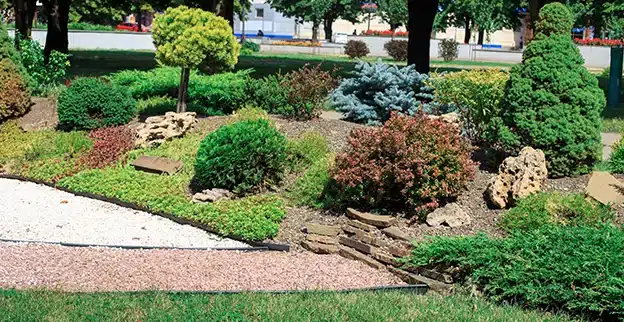
In Dallas, changing weather, periods of heat, seasonal rainfall, and occasional strong storms can influence how quickly outdoor spaces become untidy. A seasonal clean-up service can help address the buildup that routine mowing and occasional trimming may leave behind. Rather than focusing only on visible lawn areas, a thorough cleanup considers the spaces beneath trees, around shrubs, along fences, and beside pathways.
For properties with established landscaping, the goal is not to remove every fallen leaf or reshape every plant. It is to maintain a balanced outdoor environment where trees and shrubs can remain attractive features without making the surrounding property difficult to manage. Understanding where debris accumulates, which plants need attention, and how to organize seasonal work can make a substantial difference to long-term landscape maintenance.
Why Mature Trees and Dense Shrubs Need Special Attention
Trees may shed leaves, small twigs, seedpods, and other organic material over an extended period. Some varieties produce heavier seasonal debris, while others drop material gradually throughout the year. Wind can move this debris into planting beds, corners of patios, drainage channels, and narrow strips of ground beside buildings.
Dense shrubs create a different challenge. Their lower branches can trap leaves and litter, while closely spaced plants make it harder to reach the soil underneath. Weeds may develop in these concealed areas, and damaged branches can remain unnoticed because surrounding foliage hides them.
A seasonal clean-up service can help identify these less visible maintenance needs while preserving the established character of the landscape. This is especially useful when a property contains several mature trees, layered planting beds, privacy hedges, or shrubs growing close to walkways.
The effect of shade on surrounding plants
Shade is one of the main benefits of mature trees, but it also affects the plants growing below them. Grass may thin in areas where sunlight is limited, while moisture conditions can vary depending on the canopy, soil, and surrounding vegetation.Trying to solve every thin lawn area by adding more grass seed may not work if the underlying problem is insufficient light or competition from tree roots. Cleanup provides an opportunity to assess these conditions before deciding whether a planting bed, shade-tolerant ground cover, or another landscaping adjustment would be more suitable.
The objective is to work with the conditions that already exist instead of repeatedly applying the same treatment to areas that have different needs.
Start with the Areas Where Debris Accumulates
Inspecting these locations first helps prioritize work and prevents time from being spent repeatedly clearing areas that are already manageable.
1. Beneath tree canopies
The ground directly beneath mature trees often collects leaves, small branches, seedpods, and other natural material. Debris may be easy to see in an open lawn but much harder to remove where roots emerge from the soil or ground cover grows around the trunk.Remove loose material carefully without digging into the root zone or scraping bark. Avoid piling large quantities of leaves against tree trunks, where persistent dampness and restricted airflow may contribute to problems. At the same time, do not assume every leaf needs to be removed from every planting bed. Some organic material can be beneficial when managed appropriately.
2. Inside and behind shrub borders
Shrub borders frequently hide accumulated leaves, weeds, and discarded material. Pay particular attention to the bases of hedges, the spaces between individual plants, and the narrow gaps between shrubs and fences.Clear accessible debris by hand or with suitable tools. Check for branches that cross walkways, damaged growth, or plants that have expanded beyond their intended space. If shrubs are heavily tangled, avoid cutting them back aggressively without identifying their growth habits and suitable pruning periods.
3. Along paths, patios, and drainage routes
Tree debris becomes more than a cosmetic issue when it gathers on frequently used surfaces. Wet leaves can make paved areas slippery, while small branches can obstruct narrow paths. Organic material can also collect in drainage openings and prevent water from flowing freely.Keep these surfaces clear, paying particular attention to low points where rainfall naturally gathers. Inspect the edges of patios, steps, driveways, and outdoor seating areas where debris often collects unnoticed.
Three Cleanup Priorities for Heavily Landscaped Yards
Protect plants while removing unwanted material
Before clearing dense vegetation, identify the plants that should remain undisturbed. Ground covers, young shrubs, bulbs, and exposed roots may be hidden beneath fallen leaves. Removing debris too quickly can damage desirable plants or disturb the soil.Useful priorities include:
- Remove loose branches, litter, and excessive leaf accumulations from paths, lawn areas, and drainage openings.
- Clear weeds and unwanted growth around the base of shrubs without damaging nearby roots or desirable ground cover.
- Collect large piles of organic debris for appropriate disposal or composting, while retaining suitable amounts of healthy leaf litter where it benefits planting beds.
Pruning and Shrub Management Without Overdoing It
Dense shrubs can make a property look crowded when branches extend over paths or block access to garden beds. However, cutting every shrub into a uniform shape may not be appropriate. Different species respond differently to pruning, and some flower on older growth that could be removed at the wrong time.
Start by identifying the actual problem. A branch obstructing a walkway may need selective trimming, while a shrub that has outgrown its location might require a longer-term management plan. Dead or broken branches also deserve attention, especially when they hang over areas people regularly use.
For larger trees, branches near electrical wires, elevated limbs, and heavy or unstable growth should be handled by qualified professionals. Climbing or attempting to remove large limbs without appropriate equipment can create serious hazards.
A seasonal clean-up service is most useful when the work distinguishes between debris removal, routine plant maintenance, and situations that require specialized tree care. This prevents a general cleanup from becoming unnecessary or overly aggressive pruning.
Common Problems and Practical Responses
A Seasonal Maintenance Reference for Tree-Heavy Properties
| Area or problem | Recommended action | Important consideration |
| Leaves beneath mature trees | Remove excessive accumulations and clear surrounding paths | Avoid damaging surface roots or stripping useful ground cover |
| Dense shrub interiors | Remove loose debris and inspect for weeds or damaged growth | Check for hidden plants before using tools |
| Branches over walkways | Arrange suitable selective pruning | Use a qualified professional for high or hazardous branches |
| Blocked drainage openings | Clear accessible leaves and organic material | Investigate recurring pooling rather than repeatedly removing debris alone |
| Thin grass beneath canopies | Assess light, soil, and root competition | Additional seed may not solve persistent shade-related problems |
| Overgrown planting beds | Remove unwanted growth and define manageable access | Preserve desirable plants and avoid unnecessary soil disturbance |
| Debris after storms | Collect loose material and inspect the surrounding area | Treat hanging or unstable limbs as a professional safety concern |
Managing Yard Waste and Protecting Soil
Before beginning, decide how the collected material will be handled. Suitable leaves and small quantities of untreated plant material may be composted when space and conditions allow. Other debris may need to be placed in approved yard-waste containers or taken to an appropriate collection facility. Local collection rules can vary, so check current requirements before setting material out for disposal.
Avoid pushing leaves, branches, or loose clippings into storm drains, street gutters, or neighboring properties. Debris that moves into drainage systems can create problems beyond the yard itself. Burning yard waste should not be treated as a convenient alternative because local restrictions, smoke, and fire risks may apply.
Soil protection also matters. Repeatedly driving heavy equipment over damp ground can compact soil, making it harder for water and air to move through it. When practical, keep equipment on established routes and avoid working in excessively wet areas.
For homeowners with extensive planting, a seasonal clean-up service can help organize collection and removal so that accumulated material does not simply move from one corner of the property to another. The best disposal method will depend on the volume of waste, available space, and local rules.
Timing Cleanup Around Dallas Weather
Instead, consider the condition of the yard and the work that needs to be completed. A major storm may justify an immediate inspection, while ordinary leaf fall may be managed over several visits. Shrubs that obstruct access can be addressed when their species and growth cycle make pruning appropriate.
A practical seasonal schedule
In spring, inspect planting beds for winter debris, check paths and drainage routes, and look for unwanted growth around shrubs. This is also a useful time to assess whether shade or root competition has affected nearby lawn areas.During summer, prioritize access, visible hazards, and debris that may interfere with drainage. Work during cooler parts of the day when possible, particularly when handling heavy material outdoors. Avoid aggressive pruning during stressful conditions unless a specific safety issue requires action.
In autumn, pay attention to leaf accumulation and the condition of outdoor living areas. Clearing excessive debris before it becomes wet and compacted can make paths easier to maintain. However, leaves that are suitable for composting or carefully managed garden use do not always need to be removed immediately.
After severe weather, inspect the property from the ground before starting work. Look for fallen branches, hanging limbs, damaged fences, and blocked drainage points. Stay away from downed electrical lines and unstable trees, and contact the appropriate professionals when hazards are present.
Build a Maintenance Plan That Fits the Property
For example, an entrance path and patio may need frequent clearing because people use them daily. A shaded planting bed may need occasional inspection, while a rear boundary lined with shrubs could require more substantial work at particular times of year.
Three ways to keep recurring work manageable
- Establish a priority zone for entrances, walkways, steps, and frequently used outdoor areas so that access and safety remain central to the maintenance plan.
- Schedule inspections for tree bases, shrub interiors, fence lines, and drainage points before accumulated material becomes difficult to remove.
- Record recurring issues, such as repeated water pooling, rapidly overgrown shrubs, or persistent bare patches, so that the underlying cause can be addressed rather than treating the symptoms repeatedly.
The purpose of planning is not to create a rigid schedule that ignores weather or plant growth. It is to make maintenance predictable enough that the property remains usable without allowing neglected areas to become overwhelming.
Conclusion
The most effective plan balances debris removal with soil protection and appropriate plant care. It also recognizes the difference between routine cleanup and work that requires specialist knowledge, particularly when large trees or unstable branches are involved.
For Dallas homeowners, a seasonal clean-up service can support a more organized maintenance routine by addressing problem areas before they become harder to manage. With sensible timing, careful handling of organic material, and attention to the specific needs of established landscaping, a tree-filled property can remain accessible, attractive, and practical throughout the year.
Frequently Asked Questions
The ideal frequency depends on tree species, canopy size, shrub density, weather, and how the outdoor space is used. High-traffic paths may need attention every week during heavy leaf fall, while less-used planting beds may require less frequent visits. Inspecting the property regularly helps determine a practical schedule.
No. Some healthy leaf litter can decompose and contribute organic matter to the soil. The important distinction is between a manageable layer and excessive accumulation that smothers small plants, blocks drainage, or creates persistent damp conditions around sensitive areas. Keep paths and drainage openings clear while managing planting beds according to their needs.
Not necessarily. Appropriate pruning depends on the shrub species, its flowering cycle, its condition, and the reason for trimming. Removing loose debris and cutting back living branches are different tasks. Identify the plant and determine suitable pruning timing before making substantial cuts.
Small, stable branches on the ground can generally be collected using suitable tools and protective equipment. Large limbs, hanging branches, split trunks, or trees leaning unexpectedly should be treated as potential hazards. Keep people away from the affected area and contact a qualified tree-care professional when necessary.
Professional assistance may be useful when debris is extensive, shrubs are difficult to access, several areas need coordinated attention, or routine maintenance has fallen behind. A seasonal clean-up service can also help homeowners identify tasks that need specialist support, including hazardous tree work or recurring drainage concerns.

Let Us Call You
Thank you for contacting us!

Searching through dozens of home and commercial service providers is a thing of the past. Rely on Neighborly’s national network of trusted, local service professionals for all your home and commercial service needs.
 App Store
 Google Play Store