


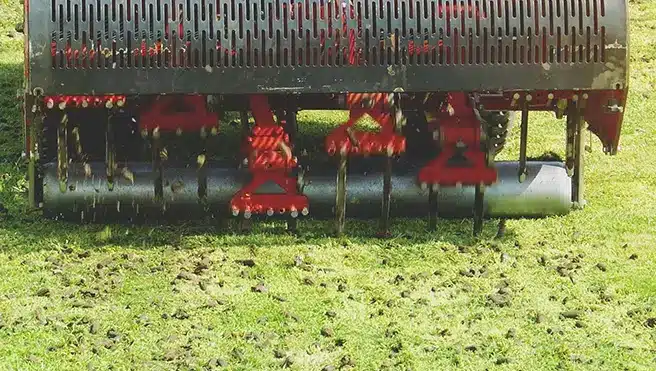
For Arlington homeowners, lawn aeration Arlington can be an important part of addressing those hidden soil problems. By creating small openings in compacted ground, aeration can improve access to air, water, and nutrients while giving grass roots more room to develop.
Mowing Maintains the Surface, Not the Soil
Over time, foot traffic, outdoor activities, rainfall, equipment, and repeated use can press soil particles closer together. This reduces the open spaces that normally allow water and air to move through the soil.
A lawn may continue producing green growth for a while, but signs of underlying stress can eventually become easier to notice. You might see water sitting on the surface after irrigation, grass looking thin despite regular care, or certain areas becoming harder and more difficult to work with.
This is where aeration becomes useful. Instead of focusing only on the grass blades, it addresses the growing environment underneath them.
What Soil Compaction Does to Arlington Grass
When soil is heavily compressed, several problems can develop:
- Water may have difficulty reaching deeper roots.
- Air movement through the soil can become restricted.
- Roots may have less room to spread.
- Fertilizer and other lawn inputs may not move through the soil efficiently.
- Grass can become more vulnerable to stress during demanding weather.
How Lawn Aeration Arlington Addresses Compacted Ground
Core aeration is one common approach. A machine removes small plugs of soil from the lawn, leaving openings behind. Those openings gradually allow surrounding soil to expand and create better pathways for water, air, and roots.
Why Root Access Matters
Grass roots do not benefit much from having healthy soil only at the surface. They need suitable conditions around the root zone to establish and continue growing.After aeration, roots can have improved access to areas that were previously difficult for them to penetrate. This can support more consistent turf development over time.
Aeration is not an instant transformation, though. It works as part of a broader lawn-care process. Watering, mowing, fertilization, sunlight, grass type, and seasonal conditions still influence how well the lawn responds.
Signs Your Lawn May Be Ready for Aeration
Walk around your property and pay attention to areas that receive frequent use. Paths between outdoor spaces, play areas, spots near driveways, and sections where people regularly gather can experience more compaction than less-used parts of the lawn.
Some common warning signs include:
- Water pooling instead of soaking into the ground.
- Thin or uneven grass growth.
- Bare patches that are difficult to establish.
- Soil that feels unusually hard when you try to work it.
- Grass that repeatedly struggles despite reasonable maintenance.
Timing Matters More Than Many Homeowners Realize
The best timing depends on the type of grass, seasonal weather, soil condition, and the lawn’s current level of stress. Arlington’s climate also means homeowners need to consider periods of heat and changing moisture conditions when planning lawn work.
Rather than choosing a date simply because it is convenient, consider whether the grass is actively growing and whether the soil has enough moisture to allow aeration equipment to work effectively.
Check the Soil Before Starting
Soil should generally be moist enough to penetrate without being saturated. Extremely dry ground can be difficult to aerate, while excessively wet soil can become messy and may not respond as intended.A simple check can help. If the ground is extremely hard and dry, watering lightly beforehand may be appropriate. If it is muddy or sticking heavily to equipment, waiting for better conditions may be wiser.
Preparing the Lawn Before Aeration
Before aerating, homeowners should consider a few practical steps:
- Mark irrigation heads, lighting, cables, and other hidden obstacles.
- Mow according to the normal height for the grass type.
- Check whether the soil is too dry or wet.
- Remove branches, toys, furniture, and other objects from the lawn.
- Identify areas with especially heavy traffic or poor drainage.
Aeration Works Best as Part of a Larger Lawn Plan
This is why lawn care services in Arlington often involve several complementary maintenance practices rather than relying on one treatment.
A practical lawn plan may include:
- Appropriate mowing height and frequency.
- Irrigation that reaches the root zone without excessive watering.
- Seasonal fertilization based on actual turf needs.
- Weed management where necessary.
- Aeration when compaction becomes a limiting factor.
- Regular observation of thin, stressed, or damaged areas.
What to Do After Aeration
Depending on the condition of the lawn, aeration can also provide a useful opportunity for overseeding. Seeds can reach openings in the soil more effectively than they would on a dense, compacted surface.
Give the Lawn Time to Respond
It is tempting to judge the results immediately, especially when the lawn looks unusual because of soil plugs left behind. Those plugs typically break down naturally as moisture and routine lawn activity work them into the surface.The more meaningful results develop as roots take advantage of improved soil conditions. Consistent care after the process matters just as much as the aeration itself.
Common Aeration Mistakes to Avoid
One common mistake is aerating simply because the calendar says it is time. Lawn condition should always be part of the decision. Another is ignoring irrigation and drainage problems. If water cannot move properly through the property because of a larger drainage issue, aeration alone may not provide the expected results.
Other mistakes include:
- Aerating soil that is extremely dry or saturated.
- Ignoring underground irrigation components.
- Choosing equipment that is unsuitable for the lawn.
- Expecting aeration to repair severely damaged turf by itself.
- Continuing heavy foot traffic immediately after the work.
- Treating every section of the property the same.
When Professional Help Makes Sense
For example, The Grounds Guys of Arlington can help homeowners evaluate lawn conditions and incorporate appropriate maintenance practices into a broader yard-care approach. The value of professional service is not simply having someone operate equipment; it is also having the work planned around the condition of the property.
Thinking Beyond One Season
A More Complete Approach to Arlington Lawn Care
Conclusion
For Arlington homeowners, lawn aeration Arlington can be a useful way to improve the growing environment when soil compaction is limiting lawn performance. The best results come from combining proper timing, preparation, post-aeration care, and sensible long-term maintenance rather than expecting one service to solve every lawn issue.
Frequently Asked Questions
There is no single schedule that works for every lawn. Frequency depends on soil conditions, grass type, traffic, and how quickly compaction develops. Lawns under heavy use may need attention more often than lightly used areas.
Aeration can create pathways that allow water to move more easily into compacted soil. However, serious drainage problems may require additional solutions beyond aeration.
Mowing may still be necessary, but it is generally better to avoid unnecessary disturbance immediately after aeration. Follow an appropriate mowing schedule based on the grass type and its condition.
Aeration can improve access between the surface and root zone, which may make it a useful part of a broader fertilization strategy. The right fertilizer and timing should depend on the turf and seasonal conditions.
Yes. Areas exposed to frequent walking, children, pets, outdoor activities, or equipment can become compacted more easily. Aeration can help address that physical pressure on the soil.
Not always. Poor irrigation, shade, drainage, pests, unsuitable grass, and nutrient problems can also affect turf. Aeration is most effective when it addresses actual compaction as part of a complete maintenance plan.

Let Us Call You
Thank you for contacting us!

Searching through dozens of home and commercial service providers is a thing of the past. Rely on Neighborly’s national network of trusted, local service professionals for all your home and commercial service needs.
 App Store
 Google Play Store