


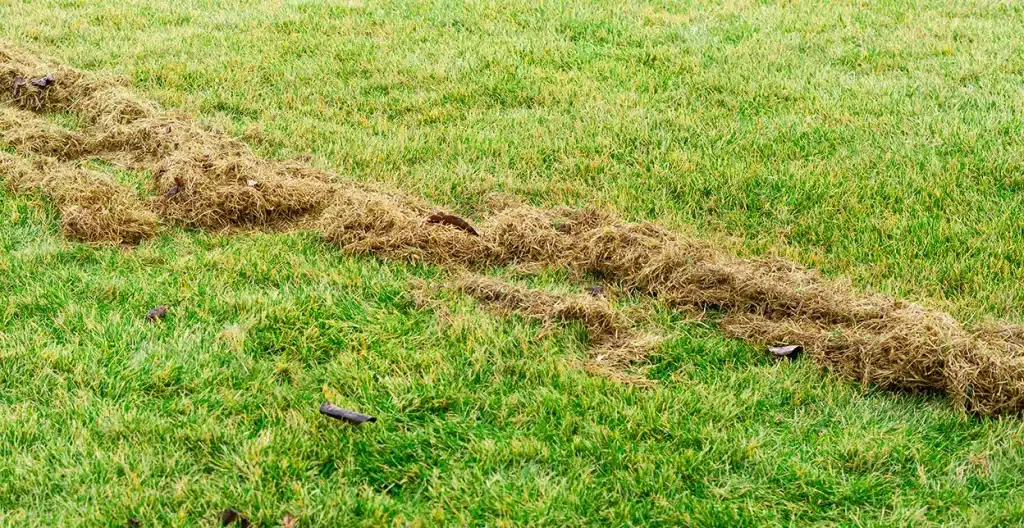
Professional lawn care helps Frisco homeowners understand what is happening beneath the grass before visible damage spreads. By examining growing conditions, identifying early warning signs, and adjusting maintenance practices, homeowners can often address problems before they become more difficult to manage. The goal is not simply to maintain a green appearance but to create the conditions that allow a lawn to remain strong throughout changing North Texas weather.
Why Lawn Problems Often Begin Before You Notice Them
Frisco homeowners face several conditions that can place pressure on residential lawns. Hot summers, periods of limited rainfall, sudden heavy storms, and variations in soil drainage can all influence grass performance. The same maintenance routine may not work equally well throughout the year or across every section of a property.
A useful lawn care plan considers these conditions together instead of treating every symptom as an isolated problem. Recognizing changes early makes it easier to determine whether the lawn needs an adjustment to watering, mowing, soil management, or another aspect of maintenance.
Early Warning Signs Worth Investigating
Some visible changes deserve attention even when most of the lawn still appears healthy.- Small brown patches: These may be associated with uneven watering, root stress, disease, or localized soil conditions.
- Thinning grass: Reduced density can result from excessive shade, unsuitable mowing height, compaction, or repeated foot traffic.
- Persistent puddles: Water that remains long after rainfall may indicate grading or drainage problems.
- Increasing weed growth: Weeds can take advantage of open spaces where desirable grass has weakened.
- Uneven growth patterns: Some sections may grow quickly while nearby areas remain thin because conditions differ across the yard.
Soil Problems That Can Weaken an Entire Lawn
Compacted Soil and Restricted Root Growth
Compaction occurs when soil particles are pressed together, reducing the space available for air and water movement. It can develop in areas where people regularly walk, children play, pets run, or heavy equipment crosses the lawn. Certain soil types are also more prone to compaction than others.A compacted lawn may absorb water slowly, develop shallow roots, and show signs of stress during hot weather. Water may run across the surface instead of soaking in, leaving the grass short of moisture despite irrigation.
Professional assessment can help determine whether compaction is contributing to the problem. Depending on the grass type, soil conditions, and time of year, core aeration may help relieve compaction by removing small plugs of soil. However, aeration should not be treated as an automatic solution for every struggling lawn.
Nutrient Imbalances and Unsuitable Soil Conditions
Grass needs nutrients for growth, but applying more fertilizer does not necessarily produce better results. Excessive or poorly timed applications can waste money, damage turf, and contribute to nutrient runoff. Likewise, a nutrient deficiency may remain unresolved if the real issue is poor root function or inappropriate soil pH.A soil test can provide useful information about pH and nutrient levels. This helps homeowners make informed decisions about amendments and fertilizer rather than relying on guesswork.
For a Frisco property, lawn care should account for the grass variety, existing soil conditions, and seasonal growth patterns. Treating the soil according to its actual needs gives grass a better chance of developing a stronger root system.
Drainage and Watering Issues That Are Easy to Miss
These problems can produce similar symptoms. Grass may turn yellow, become thin, or develop bare spots in both overly dry and excessively wet conditions. Increasing watering without investigating the cause can make the situation worse.
Check for Inconsistent Sprinkler Coverage
Sprinkler systems may develop blocked nozzles, damaged heads, leaks, or coverage gaps. A head can also become misaligned after landscaping work or routine yard activity. When water distribution becomes uneven, some sections receive adequate moisture while others experience repeated stress.Homeowners can check their system by observing a watering cycle and noting whether spray reaches all intended areas. They should also look for overspray onto driveways, sidewalks, and walls. Correcting these issues can improve water use without increasing total irrigation.
Investigate Areas That Stay Wet
Persistent wet spots may indicate low grading, compacted soil, leaking irrigation components, or water moving onto the property from another area. Some problems require adjustments to the landscape rather than changes to the watering schedule.Useful observations include:
- Where puddles appear after rainfall or irrigation.
- How long the soil remains noticeably wet.
- Whether water flows toward the house or across frequently used paths.
- Whether certain areas stay wet while nearby grass dries quickly.
How Frisco Weather Can Reveal Hidden Lawn Weaknesses
Seasonal observation is therefore an important part of effective lawn care. Rather than following the same schedule every month, homeowners should adjust their approach to current conditions and the needs of their grass. For example, a lawn that begins showing dry patches during a hot spell may need an irrigation inspection, a review of mowing height, or an assessment of soil compaction. If the same patches return year after year, the pattern may suggest an underlying issue that routine watering alone cannot solve.
A few seasonal habits can help homeowners spot changes early:
- Inspect the lawn after extended hot or dry weather.
- Recheck drainage following periods of heavy rain.
- Adjust mowing practices to match grass growth and recommended cutting height.
- Follow local watering restrictions and account for recent rainfall.
- Observe whether the same areas repeatedly decline under similar conditions.
Identifying Pest, Disease, and Weed Problems Correctly
Applying a general treatment without identifying the issue can waste money or damage desirable grass. For example, a fungal problem may be influenced by moisture and airflow, while insect damage may require closer inspection of the turf and root zone. Some weeds are more likely to spread where grass is thin, making it important to address both the weeds and the conditions that allowed them to establish themselves.
Look Beyond the Visible Damage
When a problem appears, consider its shape, location, and timing. Are the affected areas circular or irregular? Do they follow sprinkler coverage patterns? Are they concentrated near trees, walkways, or low spots? Does the damage appear suddenly or spread gradually?These details do not provide a definite diagnosis on their own, but they help guide further investigation. If the lawn continues deteriorating or the cause remains unclear, professional inspection can help determine whether insects, disease, or environmental stress is involved.
Weed management also becomes more effective when the lawn is healthy enough to compete for space. Appropriate mowing, suitable irrigation, and targeted repairs can reduce the open areas where weeds often establish themselves. Any herbicide or pest-control treatment should be selected for the identified problem and used according to its label.
What Professional Lawn Care Can Do Before Damage Spreads
Professional assistance can be particularly useful for Frisco homeowners when brown patches continue returning, water problems persist, or previous repairs have failed to produce lasting results. A tailored assessment can help determine whether the lawn needs changes to its maintenance routine, targeted repairs, or more extensive renovation.
Prioritize the Problems That Matter Most
Not every lawn issue needs immediate, extensive work. Some can be corrected through maintenance adjustments, while others require a more involved repair. A sensible plan ranks issues according to their likely impact and the risk of further damage. For example, a broken sprinkler head may be a straightforward fix, whereas recurring water accumulation may require a more detailed drainage evaluation. A thin patch beneath dense tree shade may need a different planting solution rather than repeated fertilizer applications.A practical action plan should identify the problem, explain the recommended response, and establish how progress will be evaluated. This approach helps homeowners understand where their money is going and reduces the likelihood of paying for treatments that do not address the underlying cause.
Maintenance Habits That Help Prevent Recurring Problems
The right routine will depend on the turf variety and property conditions. Bermudagrass, for example, generally needs substantial sunlight, while some St. Augustinegrass varieties can tolerate partial shade. Selecting maintenance practices without identifying the grass type can lead to unnecessary stress.
Helpful habits include:
- Mow at the appropriate height: Avoid cutting grass too short, and keep mower blades sharp.
- Water according to need: Consider soil moisture, rainfall, weather, and local restrictions.
- Inspect irrigation regularly: Check for leaks, blocked heads, and uneven spray patterns.
- Manage soil problems appropriately: Use soil testing and consider aeration when conditions warrant it.
- Address small changes early: Investigate recurring bare spots, unusual discoloration, or standing water before they spread.
When Repair Is Better Than Replacing the Entire Lawn
If the original cause remains, new sod may experience the same problems. Compacted soil can restrict new roots, poor drainage can keep the ground saturated, and excessive shade can prevent sun-loving grass from thriving. Preparing the site properly is just as important as selecting the replacement turf.
For smaller damaged sections, spot repairs may be sufficient. Other lawns may benefit from aeration, irrigation corrections, targeted weed control, or changes to mowing and watering practices. The right choice depends on the extent of the damage and the reason it developed.
A careful lawn care decision balances the cost of repair against the likely long-term results. Homeowners should consider not only the initial price but also the maintenance required to keep the lawn in good condition.
Conclusion
Frequently Asked Questions
Small brown patches, thinning grass, uneven growth, and persistent wet areas are common warning signs. These symptoms can have several causes, so investigate the conditions before choosing a treatment.
Yes, some lawns can recover when the underlying problem is identified and corrected. However, the outcome depends on the extent of damage, grass type, and growing conditions.
Brown grass can result from uneven sprinkler coverage, compacted soil, excessive watering, pests, disease, or other forms of stress. Checking the affected areas and irrigation system can help narrow down the cause.
A quick visual check during regular maintenance is useful, with closer inspections after extreme weather or when unusual changes appear. Recurring problems deserve attention rather than waiting for the next seasonal service.
No. Small bare areas may be repaired through suitable turf repairs once the cause is addressed. Extensive damage or unsuitable growing conditions may require a broader renovation.
Seek professional help when damage keeps returning, drainage problems persist, or the cause of declining grass is unclear. An assessment can help prevent unnecessary treatments and guide the next steps.

Let Us Call You
Thank you for contacting us!

Searching through dozens of home and commercial service providers is a thing of the past. Rely on Neighborly’s national network of trusted, local service professionals for all your home and commercial service needs.
 App Store
 Google Play Store