


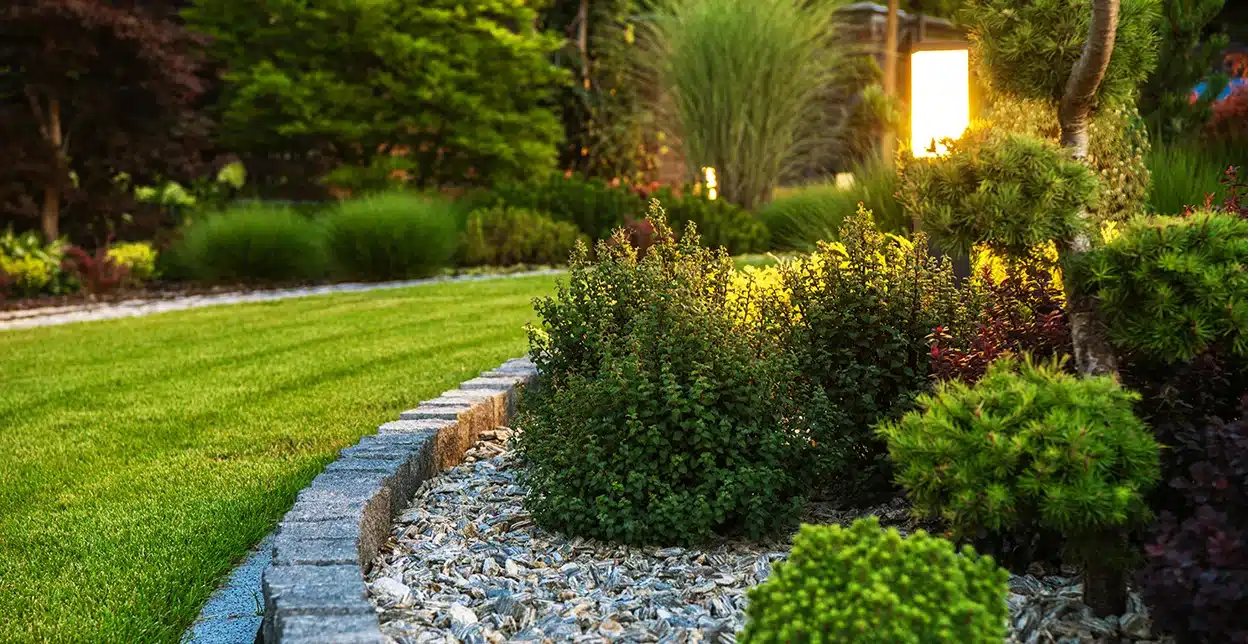
What Makes a Frisco Landscape Work Well?
Start with the Property’s Natural Conditions
Before making major changes, homeowners should observe the yard at different times of day. Sunlight can shift significantly between morning and afternoon, while certain areas may remain shaded for much of the day. It is also important to notice how water moves across the property after rainfall. Areas where water collects may need grading or drainage improvements before new grass, plants, or hardscape features are installed.A simple property assessment should consider:
- Which areas receive full sun or regular shade?
- Where does water collect after heavy rain?
- Which parts of the yard receive the most foot traffic?
- Are existing trees and plants healthy and properly positioned?
Design the Landscape Around Everyday Use
Create Clear Outdoor Zones
Dividing a property into simple functional areas can make a landscape feel more organized without overcomplicating it. A yard might include a lawn area for recreation, a patio for entertaining, planting beds around the home’s foundation, and a pathway connecting the major spaces. These areas do not have to look completely separate. Similar materials, plant forms, or edging can visually connect them. Good zoning also makes maintenance easier because each part of the yard has a clear purpose.Leave Enough Room for Movement
One common mistake is filling every available space with plants or decorative features. Overcrowding can make a property difficult to navigate and can eventually create serious maintenance problems as plants grow. Paths should be wide enough to use comfortably, while lawn areas should have enough open space for mowing equipment to move efficiently. Trees and shrubs also need room to reach their mature size without interfering with windows, walkways, or structures.Build a Strong Foundation for the Lawn
When Sod Installation Is the Right Choice
Sod installation can be an attractive option for homeowners who want a finished lawn without waiting for seed to establish. Fresh sod provides immediate coverage and can quickly change the appearance of a tired or unfinished yard. However, sod should never be treated as a shortcut around preparation. The ground should be cleared of debris, properly graded, and prepared to provide a suitable surface for the new grass to root.After installation, watering is especially important. The new grass needs consistent moisture while its roots establish, but overwatering can create its own problems. Following an appropriate watering schedule helps the lawn develop a healthier foundation.
Sod can provide a fast visual improvement, but its long-term success still depends on maintenance and suitable growing conditions.
Make Lawn Maintenance Part of the Design
Build a Realistic Lawn Care Routine
Lawn care Frisco homeowners need should include more than simply cutting the grass. Watering, mowing, edging, seasonal feeding, weed management, and regular inspections all contribute to a healthier lawn. Mowing is particularly important. Cutting too much grass at once can stress the lawn, while allowing grass to become excessively tall can make mowing more difficult. The ideal mowing approach depends on the grass type, season, and current growth rate.A practical routine may include:
- Checking the lawn regularly for thin or discolored areas.
- Adjusting watering according to weather and lawn conditions.
- Keeping mower blades sharp for cleaner cuts.
- Addressing weeds before they spread across larger areas.
Choose Plants for More Than Their Appearance
Consider Mature Plant Size
One of the most frequent landscaping mistakes is planting shrubs or trees too close together. Young plants may appear perfectly spaced at first, but their mature size can completely change the appearance of the planting bed. Crowded plants compete for resources and can make pruning difficult. They may also block windows, pathways, or outdoor areas as they grow. Giving plants adequate room from the beginning creates a healthier and more balanced landscape.Add Layers for Visual Interest
A landscape can feel more polished when plants are arranged at different heights. Ground-level plants can define borders, shrubs can provide structure, and larger trees can create shade and visual focus. Using a limited number of complementary plant styles throughout the property can also make the design feel more cohesive. Too many unrelated colors, shapes, and textures can make even a large yard appear visually cluttered.Make Outdoor Areas More Comfortable
Use Shade Strategically
Frisco’s warm weather makes shade an important consideration for outdoor living. Trees can provide natural shade, while pergolas, covered patios, or other structures can offer additional protection. The placement of shade should relate to how the area is used. A seating space that receives intense afternoon sun may be much less useful than one positioned where shade is available during the hours when the family spends the most time outdoors.Think About Lighting and Pathways
Outdoor lighting can improve the usability of a yard after sunset while adding subtle visual interest. Low-level lighting along walkways can make paths easier to follow, while carefully positioned lights can highlight trees, planting beds, or architectural features. Pathways should also connect the areas people use most often. A well-planned path can prevent unnecessary foot traffic across the lawn and give the landscape a more intentional layout.Keep Irrigation Efficient
Check Coverage Regularly
Sprinkler heads can become blocked, damaged, or misaligned. Over time, this can create dry patches or areas that remain unnecessarily wet. Homeowners should periodically inspect irrigation coverage and make adjustments when needed. Plants and lawn areas may also develop different watering requirements as the landscape matures. Efficient irrigation is not only about using less water. It also helps provide more consistent growing conditions across the property.Think About Lawn Mowing When Planning the Yard
Keep Lawn Areas Simple
Open lawn sections with clear boundaries are generally easier to maintain. Where possible, homeowners can use planting beds, walkways, or hardscape features to create cleaner transitions rather than leaving awkward strips of grass.For people searching for lawn mowing in Frisco, TX, consistency is more important than following an arbitrary weekly schedule. Grass growth changes with temperature, rainfall, watering, and season, so mowing should respond to actual growth.
A properly maintained lawn should be cut at an appropriate height rather than repeatedly trimmed extremely short.
Avoid Landscaping Decisions That Create Future Problems
Common Mistakes Homeowners Make
Several avoidable choices can increase maintenance and repair costs:- Installing plants without researching their mature size.
- Ignoring drainage before installing a new lawn.
- Creating too many small lawn sections.
- Choosing plants solely because they look attractive.
- Underestimating the amount of seasonal maintenance required.
Consider Professional Help for Complex Projects
When Professional Guidance Can Help
Professional assistance can be especially useful when the project involves drainage concerns, large areas of new lawn, extensive planting, or a complete redesign. An experienced team can help identify problems that may not be obvious during a casual inspection.For homeowners who want ongoing assistance with lawn and landscape maintenance, The Grounds Guys of Frisco can provide professional support while helping keep outdoor areas organized and consistently maintained. The value of professional service is often found in regular care and proper planning rather than simply making a yard look different overnight.
Plan Landscaping in Frisco for Every Season
Give the Yard Year-Round Structure
Evergreen plants can provide structure when deciduous trees lose their leaves, while seasonal plants can add color at different times of the year. Trees can provide valuable shade during warmer months and change the amount of sunlight reaching the property as seasons shift. Homeowners should also expect maintenance needs to change throughout the year. Tasks that matter during periods of active growth may be less important when plants and grass are dormant.A seasonal plan can include:
- Inspecting irrigation before periods of increased watering.
- Monitoring lawn health as temperatures change.
- Pruning plants according to their individual needs.
- Refreshing mulch and cleaning planting beds when necessary.
Improve the Yard in Manageable Stages
Start with the Most Important Issues
If the lawn has drainage problems, those should be addressed before decorative improvements. If an outdoor seating area is rarely used because it receives too much sun, creating shade may have more value than adding additional plants.A sensible order might involve:
- Correcting drainage or grading problems.
- Improving damaged or poorly performing lawn areas.
- Defining pathways and functional outdoor zones.
- Adding planting beds, trees, and decorative elements.
- Finishing with lighting and smaller visual details.
Think Beyond the First Year
Choose Long-Term Value Over Short-Term Trends
Trendy features can be appealing, but durability and usability usually provide greater value over time. A comfortable patio, healthy lawn, well-positioned trees, and manageable planting beds are likely to remain useful even as design preferences change. Long-term thinking also helps homeowners avoid repeatedly removing and replacing plants or structures that were never suitable for the property.Conclusion
A successful approach begins with understanding the yard’s natural conditions and continues with smart lawn choices, suitable plants, efficient irrigation, practical outdoor zones, and a realistic maintenance routine. Whether the project involves sod installation, lawn improvement, or a complete landscape redesign, preparation should always come before appearance.
When homeowners plan for both today’s needs and tomorrow’s growth, the result is more than curb appeal. It becomes an outdoor space that feels comfortable, functions well, and continues adding value to the home.
Frequently Asked Questions
Sunlight, drainage, soil conditions, lawn use, available space, and future maintenance should all be considered. These factors help determine which plants, lawn solutions, and outdoor features are appropriate.
Not necessarily. Sod can work well when the site is properly prepared, and the selected grass is suitable for the conditions, but drainage, sunlight, and maintenance should be evaluated first.
Consistent mowing, appropriate watering, proper feeding, and early attention to weeds or thin areas can help. Avoiding excessive mowing and adjusting care according to seasonal conditions is also important.
A thoughtful design can reduce maintenance by using suitable plants, simple lawn layouts, efficient irrigation, and appropriately sized planting areas. The goal is to avoid features that require constant attention.
Professional help can be useful for large renovations, drainage problems, irrigation work, extensive lawn replacement, or projects involving multiple landscape elements that need to work together.
No. Many homeowners can benefit from a phased approach. Addressing structural and functional problems first allows decorative improvements to be added later without having to redo earlier work.

Let Us Call You
Thank you for contacting us!

Searching through dozens of home and commercial service providers is a thing of the past. Rely on Neighborly’s national network of trusted, local service professionals for all your home and commercial service needs.
 App Store
 Google Play Store