


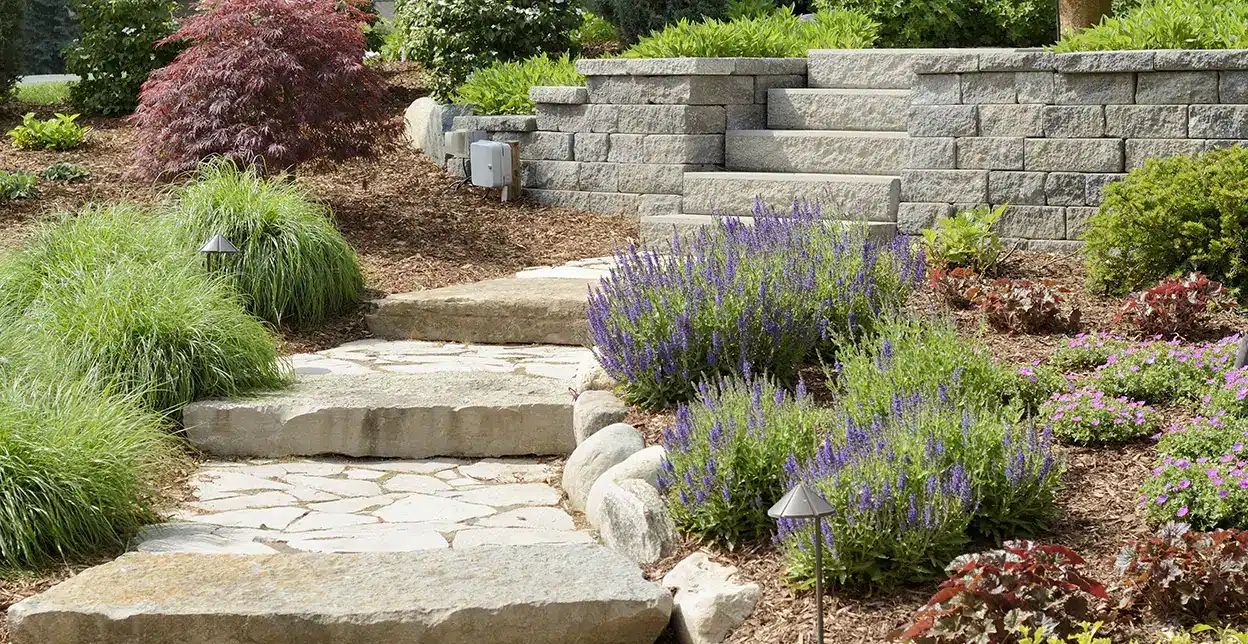
Start with the Yard You Actually Have
Some areas may receive strong afternoon sunlight while others remain shaded by the house or mature trees. Water may collect in one corner after heavy rain, while another part of the yard may dry out quickly. These details affect almost every landscaping decision that follows.
A useful first step is to consider:
- How much direct sunlight each area receives
- Where water tends to collect or drain
- Which parts of the yard receive the most foot traffic
- How much time the homeowner can realistically spend on maintenance
Think About How the Space Will Be Used
A yard should support everyday life rather than simply look good from the street. A family with children may need an open area for playing, while someone who enjoys outdoor entertaining may want a defined patio and comfortable walking paths.Even a smaller yard can benefit from clear zones. A lawn area, planting bed, seating space, and walkway can each have a purpose without making the property feel crowded.
Build the Landscape Around a Healthy Lawn
That is why lawn care in Frisco homeowners choose should be based on local growing conditions rather than a generic maintenance routine. Grass needs the right balance of water, mowing, nutrients, sunlight, and soil support.
Healthy turf also makes the rest of the landscape easier to appreciate. A clean lawn edge can frame flower beds, trees, pathways, and other features, giving the entire property a more organized appearance.
Improve the Soil Before Improving the Lawn
Soil is easy to overlook because it sits beneath everything else, but it can determine how successfully plants and grass establish themselves. Compacted soil can restrict roots and make it harder for water to move properly.Before making major improvements, homeowners may benefit from checking soil conditions and addressing problems such as poor drainage, compaction, or inadequate organic matter. Small improvements at this stage can support healthier growth later.
When Sod Makes More Sense Than Starting From Seed
However, sod should not be treated as a shortcut that eliminates preparation. The ground still needs to be properly graded, cleared, and prepared before the grass is installed. The pieces also need to be fitted closely so gaps do not dry out or become places where weeds can develop.
After installation, watering is especially important. New sod needs enough moisture for the roots to establish, but excessive watering can create other problems. A consistent schedule based on weather, soil, and grass condition is more useful than simply watering whenever the lawn looks dry.
Use Plants to Add Structure, Not Just Color
Trees can provide shade and vertical interest. Shrubs can define boundaries or soften hard edges. Smaller plants can add color around entrances and patios without overwhelming the design.
A balanced planting plan might include:
- Taller plants toward the back of a bed
- Medium shrubs to create visual structure
- Low-growing plants near pathways and borders
- Seasonal accents for changing color throughout the year
Make Outdoor Areas Easier to Move Through
For example, a path from the driveway to the front entrance should be easy to follow. In a backyard, a walkway can connect a patio to a garden, side gate, or other frequently used area.
Materials also influence the character of the landscape. Stone, concrete, brick, gravel, and other surfaces can create different visual effects. The best choice depends on the home’s existing style, drainage needs, budget, and expected use.
Keep Maintenance in Mind From Day One
Maintenance should be considered during the design stage, not after the work is complete. For example, planting a large number of fast-growing species close together may look full when first installed, but the plants can become crowded as they mature. Similarly, placing grass in a heavily shaded location can lead to weak growth and ongoing maintenance problems.
A Practical Maintenance Routine
A consistent routine can prevent small issues from becoming expensive repairs. Depending on the season and landscape needs, regular tasks may include:- Mowing at an appropriate height
- Removing weeds before they spread
- Checking irrigation coverage
- Pruning plants when necessary
- Clearing leaves and organic debris
- Monitoring areas where drainage problems appear
Choose Features That Add Real Value
Consider features that solve a practical problem as well as improving appearance:
- Seating areas for outdoor use
- Shade elements for comfort
- Pathways that improve access
- Defined planting beds
- Drainage solutions for problem areas
Pay Attention to Water and Drainage
At the same time, inefficient irrigation can waste water and leave some areas too wet while others remain dry. Sprinkler coverage should be checked periodically, especially after landscape changes.
Plants should also be grouped according to their general water needs when possible. This makes irrigation easier to manage and reduces the temptation to overwater an entire planting bed simply because one species needs more moisture.
Professional Landscaping Can Simplify Complex Projects
For homeowners who want help coordinating these details, The Grounds Guys of Frisco can provide professional assistance with landscape and lawn projects. Working with a professional can be useful when several parts of the yard need to be addressed together, particularly when the goal is to create a cohesive result rather than make isolated changes.
The advantage is not simply convenience. Experienced professionals can help identify potential problems before installation and create a maintenance approach that matches the property.
Avoid Common Landscaping Mistakes
One is choosing plants based solely on appearance. A plant may look perfect at a garden center but struggle when placed in the wrong amount of sunlight or moisture.
Another is installing features without considering scale. A large structure or oversized planting bed can make a small yard feel cramped, while tiny features may disappear in a large property.
Other problems include:
- Ignoring drainage before planting or installing sod
- Planting without considering mature plant size
- Using too many unrelated design styles
- Creating lawn areas that are difficult to irrigate
- Neglecting maintenance requirements during planning
Think Beyond the First Season
Before planting, homeowners should consider mature dimensions and spacing. Before installing a patio or walkway, they should think about how the area may be used several years from now.
Long-term planning can also reduce future expenses. Durable materials, appropriate plant selections, efficient irrigation, and healthy soil generally create fewer problems than quick fixes that need to be replaced repeatedly.
Small Improvements Can Have a Large Effect
A complete landscape renovation is not always necessary. Sometimes the most noticeable improvement comes from correcting a few weak areas.Replacing damaged turf, refreshing an outdated planting bed, improving a walkway, adding a shade tree, or defining lawn edges can give a property a noticeably cleaner appearance without changing everything at once.
This makes landscaping more approachable for homeowners who prefer to improve their yards gradually.
Creating a Yard That Fits Frisco Living
A successful yard combines healthy turf, appropriate plants, practical pathways, comfortable outdoor areas, and a maintenance routine that can realistically be followed. When these elements are planned together, the result feels intentional rather than pieced together.
Homeowners should also remember that a landscape does not need to be perfect every day. Seasonal changes are normal. What matters is having a design and maintenance strategy that allows the yard to recover, adapt, and continue looking its best.
Conclusion
Whether the project involves new sod, improved lawn maintenance, redesigned planting beds, or a complete outdoor renovation, the goal should be a landscape that remains attractive and practical as the property changes. With careful planning and the right approach to landscaping in Frisco, a yard can become more than an attractive part of the home—it can become a space that is genuinely enjoyable to live with.
Frequently Asked Questions
Start with sunlight, drainage, soil condition, existing lawn health, and how you plan to use the space. These factors can guide better decisions about plants, turf, irrigation, and outdoor features.
Yes, sod can be a practical choice when homeowners want an established-looking lawn quickly. Proper soil preparation and watering after installation are essential for successful establishment.
Mowing frequency depends on grass type, season, rainfall, and growth rate. It is generally better to remove only an appropriate portion of the grass blade rather than cutting the lawn extremely short.
It can. Grading, planting choices, drainage features, and irrigation adjustments can all contribute to better water management, depending on the cause of the problem.
No. Appearance matters, but sunlight, mature size, water requirements, soil conditions, and maintenance needs should also influence plant selection.
Professional help can be useful for larger projects involving grading, sod, irrigation, design, or multiple landscape elements. It can also save time and help prevent costly planning mistakes.

Let Us Call You
Thank you for contacting us!

Searching through dozens of home and commercial service providers is a thing of the past. Rely on Neighborly’s national network of trusted, local service professionals for all your home and commercial service needs.
 App Store
 Google Play Store